Get My House Painted: Complete Guide for a Stunning Home Makeover
Meta Description:
Discover the best strategies to get my house painted with professional results. Learn about preparation, color choices, modern painting technologies, and real-world examples to achieve a flawless home transformation.
Get My House Painted: Complete Guide for a Stunning Home Makeover
Why Painting Your House Matters
Getting your house painted is more than just refreshing its look. A well-executed paint job enhances curb appeal, protects surfaces from weather damage, and boosts property value. Whether you are preparing for a home sale, updating an outdated style, or simply wanting a fresh start, house painting is one of the most cost-effective ways to transform your living space.
Homeowners often underestimate the impact of color and finish. A dull, cracked exterior can make even the most beautiful house look neglected. Conversely, a professionally painted home signals care, quality, and pride of ownership. Understanding the process and best practices ensures you get results that last for years.
Key Preparations Before You Get Your House Painted
Surface Cleaning and Inspection
Before any painting begins, proper surface preparation is crucial. Dirt, mold, and old peeling paint must be removed to ensure the new paint adheres smoothly. Pressure washing the exterior or sanding indoor walls makes a big difference. Inspecting for cracks, holes, or water damage also helps prevent costly mistakes later.
Skipping this step may result in bubbling paint, uneven finishes, or premature peeling. Think of preparation as the foundation of the entire project—without it, even premium paints will fail.
Choosing the Right Primer
A primer is the unsung hero of painting. It seals surfaces, enhances paint adhesion, and provides a consistent base for the topcoat. For example, oil-based primers are ideal for wood, while stain-blocking primers prevent water marks or smoke stains from showing through. Using the right primer guarantees that your chosen color looks vibrant and consistent.
Choosing the Best Colors for Your Home
Interior Color Selection
Colors influence mood and atmosphere. Soft neutrals like beige and gray create a calm and spacious feel, while bold tones like navy or emerald add character. Bedrooms often benefit from relaxing shades, while kitchens can look lively with warmer tones. Consider natural light and room size before finalizing your palette.
A useful strategy is to test paint samples on walls before committing. Colors can appear very different under artificial light compared to natural daylight.
Exterior Color Selection
Exterior paint affects curb appeal significantly. Light colors like cream or soft blue can make a home appear larger, while darker tones add elegance and depth. Accent colors for doors, shutters, and trims can highlight architectural features. A professional designer can help balance colors with the surrounding neighborhood for harmony.
Modern Technologies That Improve House Painting
Eco-Friendly Paint Formulas
Advances in paint manufacturing now offer low-VOC (volatile organic compound) paints. These eco-friendly options minimize indoor air pollution and are safer for families. They dry faster and reduce strong chemical odors, making them a popular choice for interior projects.
Beyond environmental benefits, many low-VOC paints resist stains and are easier to clean, which enhances their long-term value.
Spray Painting vs. Traditional Brushes
Spray-painting technology has transformed large-scale house painting. Unlike rollers or brushes, spray equipment applies paint evenly and quickly over vast surfaces. It’s particularly effective for textured walls or uneven surfaces. While brushes are still necessary for detail work, spray painting significantly reduces project time.
Real-World Examples of House Painting Projects
Modern Suburban Home
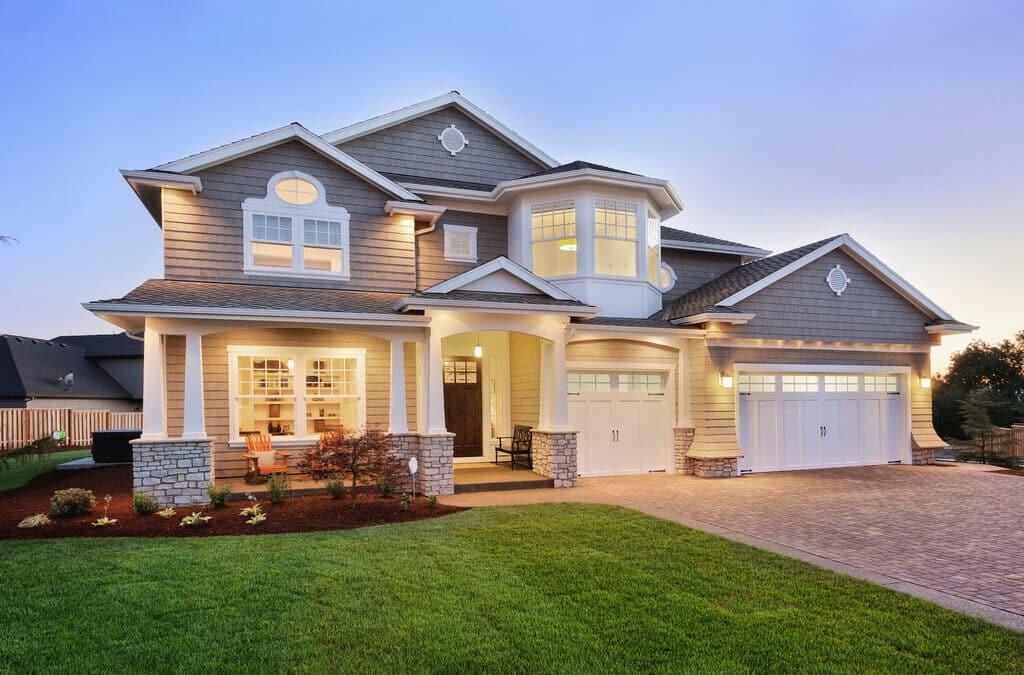
A modern suburban family decided to repaint their home exterior in light gray with white trims. The new look gave the house a clean, timeless appearance that stood out in the neighborhood. The homeowners noted reduced energy bills because the lighter shade reflected heat during the summer months.
This example shows how color choice and professional techniques impact both beauty and practicality.
Restoring a Historic Property
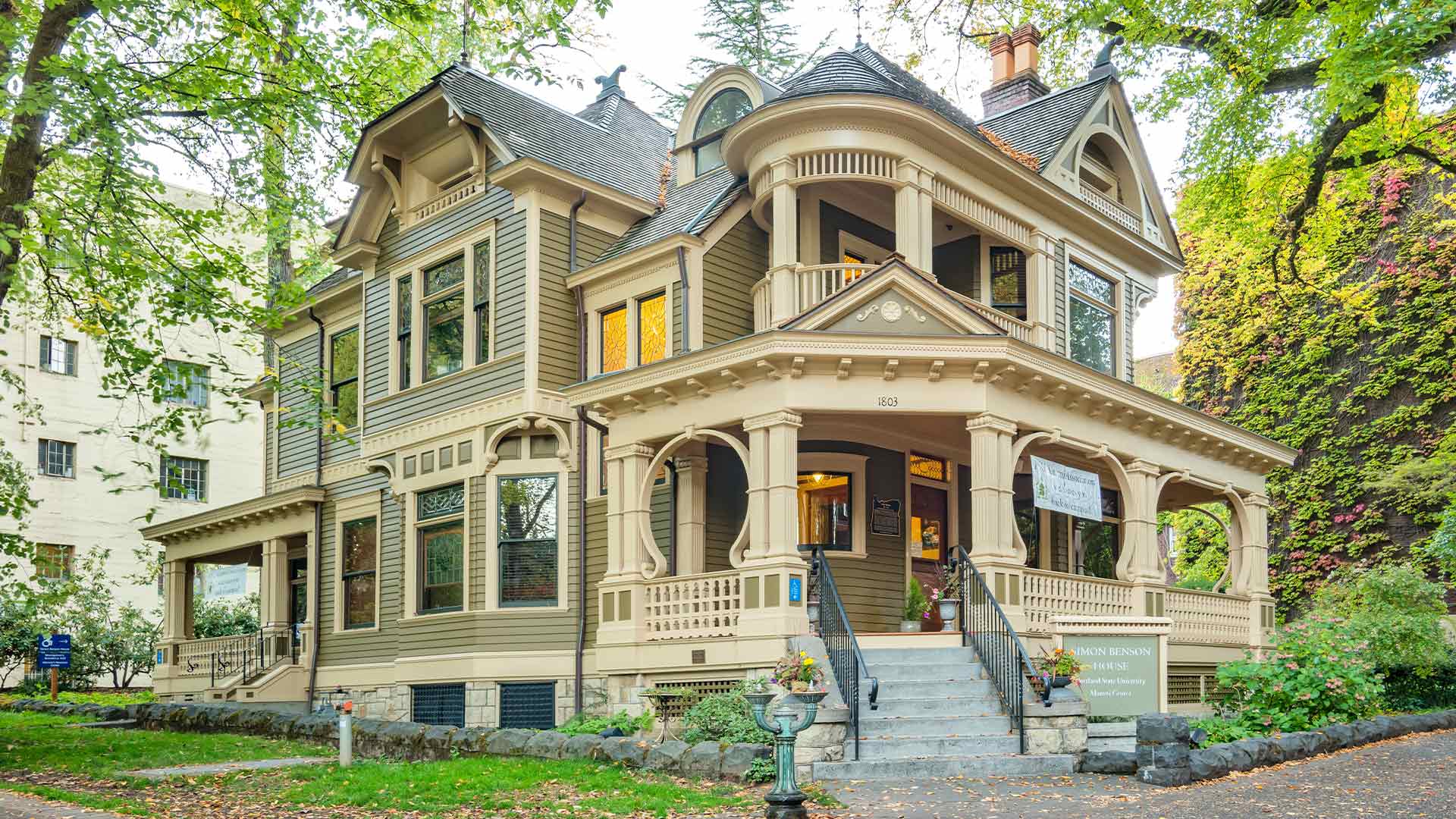
A century-old house with peeling paint required careful preparation. The painters used a specialized primer designed for older wood and selected muted earth tones to respect the property’s heritage. The result was a restored home that preserved historical charm while enjoying modern durability.
This project highlights how painting can protect aging structures and maintain cultural value.
Apartment Interior Makeover
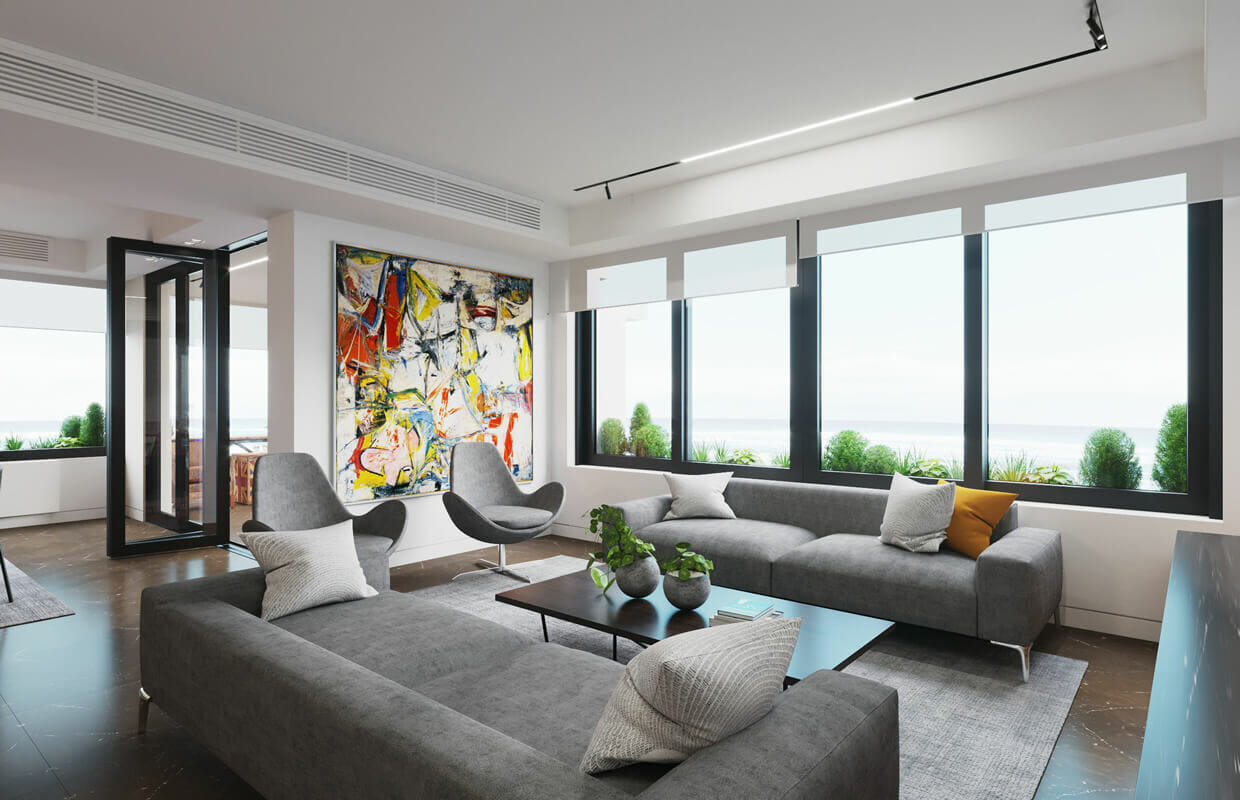
An apartment owner transformed a small two-bedroom unit with fresh coats of pastel shades. The lighter colors created the illusion of space and brightness, impressing prospective tenants. The project increased rental demand and allowed the owner to raise the monthly rent.
This case demonstrates painting’s financial benefits in real estate.
Coastal Property Protection
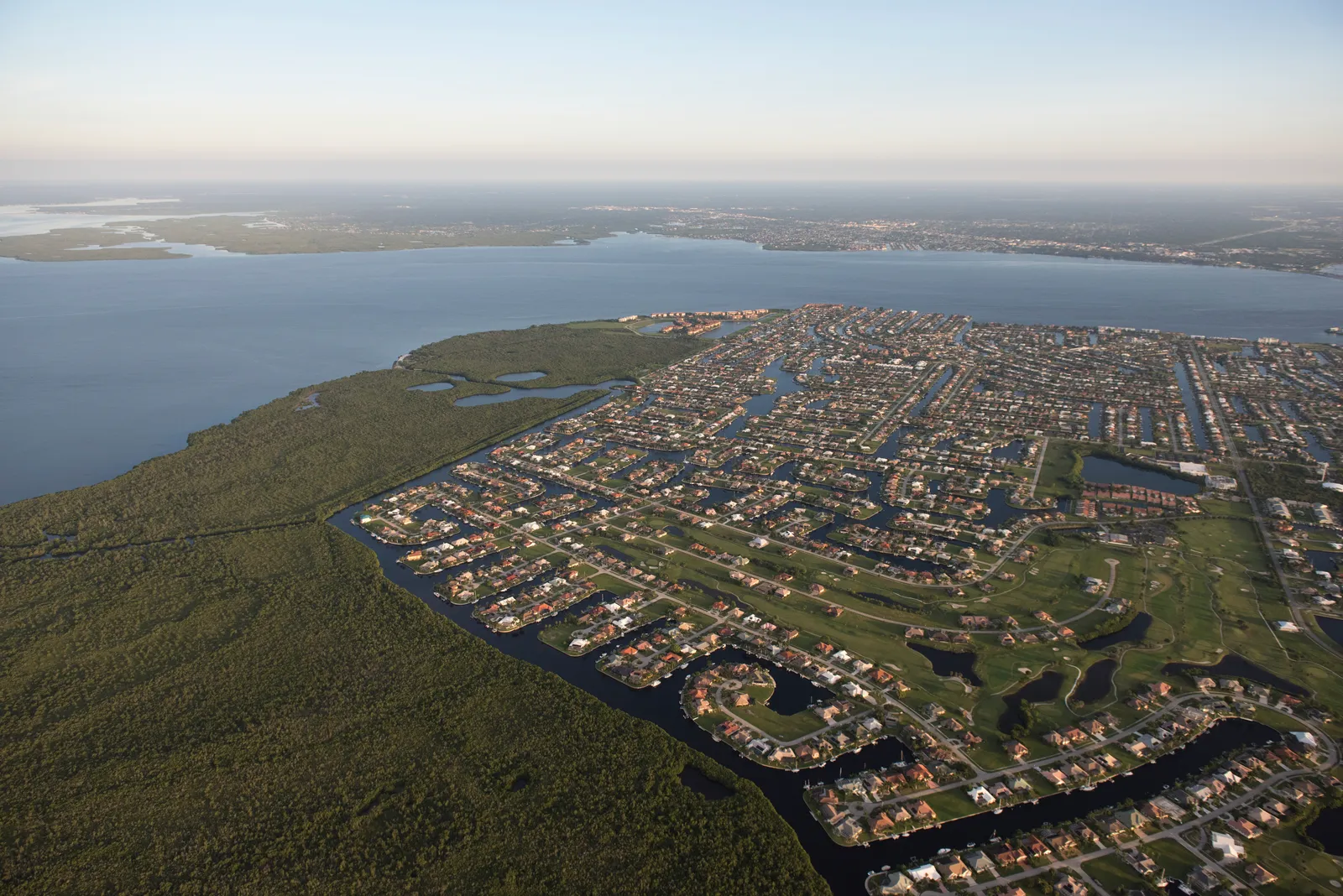
A beachfront house faced constant exposure to salt air and humidity. Painters selected a weather-resistant exterior paint with added UV protection. The finish not only enhanced the property’s aesthetic but also provided long-lasting defense against corrosion and peeling.
Such examples prove how modern paint formulations can solve environment-specific problems.
Benefits of Getting Your House Painted
Increased Property Value
A freshly painted home can increase resale value by up to 5–10%. Potential buyers often decide based on first impressions, and a clean, modern finish enhances market appeal.
Long-Term Protection
Beyond looks, paint acts as a shield against rain, sunlight, and insects. High-quality exterior coatings prevent wood rot, rust, and fading. Indoors, washable paints resist stains, making maintenance easier.
Psychological Impact
The right colors improve mood, focus, and relaxation. For instance, calming blues reduce stress in bedrooms, while vibrant yellows energize kitchens. A simple coat of paint can redefine how a space feels.
Use Cases for House Painting
Preparing for Sale
If you plan to sell your home, repainting is one of the most affordable upgrades with high returns. Neutral tones appeal to broader audiences and make spaces feel move-in ready.
Seasonal Maintenance
Homes in regions with harsh winters or humid summers benefit from repainting every few years. This prevents damage and keeps the house looking fresh despite extreme conditions.
Rental Property Enhancement
Landlords often refresh units between tenants. A well-painted apartment not only attracts renters faster but also allows for higher rental income.
Lifestyle Changes
A young couple may prefer vibrant, trendy colors, while retirees might opt for soft, soothing shades. Painting aligns your living space with your current lifestyle and taste.
Frequently Asked Questions
1. How often should I get my house painted?
On average, exterior paint lasts 5–10 years, depending on climate and paint quality. Interior walls may last longer, especially in low-traffic areas. High-moisture rooms like kitchens or bathrooms may need touch-ups more frequently.
2. What is the best season for house painting?
Mild weather conditions are ideal. Spring and early fall are often the best times since temperatures are moderate and humidity is lower, which allows paint to dry evenly.
3. Do I need a professional, or can I do it myself?
DIY painting is possible for small projects, but professionals ensure better preparation, smoother finishes, and long-lasting results. They also have access to advanced tools and techniques that homeowners may not.