Exterior Painting Residential: Complete Guide to Techniques, Benefits, and Best Practices
Exterior painting residential home is one of the most impactful ways to protect, enhance, and add value to a home. More than just a decorative upgrade, it serves as a protective shield against weather, pests, and time. In this comprehensive guide, we will explore the importance of exterior painting for residential properties, techniques used, preparation steps, benefits, use cases, and examples of real-world products.
Understanding Exterior Painting Residential
Exterior painting residential refers to the process of coating a home’s exterior surfaces, including siding, doors, trim, fences, and decks, with specialized paints designed to withstand outdoor conditions. Unlike interior painting, this process requires paints that are durable against moisture, UV rays, and temperature fluctuations.
Homeowners often see exterior painting as both a maintenance necessity and an opportunity to elevate curb appeal. Whether you are preparing a resale home or simply refreshing its look, exterior painting is one of the most cost-effective investments you can make.
Preparation Before Exterior Painting Residential
Preparation ensures that the final finish is smooth, durable, and long-lasting. Skipping steps in this phase can cause even premium paints to fail prematurely.
Cleaning and Surface Readiness
The first step is cleaning the surfaces thoroughly, typically using power washing. This removes accumulated dirt, mold, and loose paint. For stubborn areas, chemical cleaning solutions or hand scrubbing may be necessary. Clean surfaces guarantee stronger paint adhesion and better overall results.
Repairs and Priming
Before painting, homeowners must repair cracks, holes, or damaged siding. Wooden areas may require sanding to remove imperfections or peeling paint. Priming comes next, especially for bare wood, repaired surfaces, or porous materials. A high-quality primer provides a smooth foundation that enhances paint durability and appearance.
Techniques Used in Exterior Painting Residential
There are several application methods, each chosen based on the type of surface and desired finish.
Brush and Roller Painting
Brushes and rollers are traditional tools that allow for precision and control. Rollers are ideal for large flat surfaces such as siding, while brushes are better suited for corners, trim, and detail work. Although slower, this technique ensures even coverage and works well on textured surfaces.
Spray Painting
Spray painting is a fast and efficient method for covering expansive areas. It produces a smooth, uniform finish with fewer visible strokes. However, it requires more setup and protective measures to prevent overspray. Professionals often use spray painting for projects where speed and flawless finishes are top priorities.
Benefits of Exterior Painting Residential
Exterior painting for residential offers more than just beauty. It brings both functional and financial advantages.
Enhanced Aesthetic and Curb Appeal
A fresh coat of exterior paint instantly revitalizes a home’s appearance. Carefully chosen colors can emphasize architectural details and complement landscaping, creating a welcoming and modern look. For homeowners planning to sell, curb appeal plays a major role in attracting buyers.
Protection from Environmental Damage
Exterior paint acts as a protective layer against rain, snow, sun, and wind. It prevents issues such as wood rot, rust, and fading, ensuring the home’s structural materials remain intact. Advanced paints are designed to resist peeling, blistering, and UV damage for long-lasting results.
Increased Property Value
Painting a home’s exterior is one of the most effective ways to boost property value. A well-maintained exterior signals care and quality to potential buyers, often resulting in higher appraisal values and faster sales.
Real-World Examples of Exterior Painting Residential Products
Here are some widely recognized products used in residential exterior painting projects, each with distinct features and advantages.
Sherwin-Williams SuperPaint Exterior Acrylic Latex
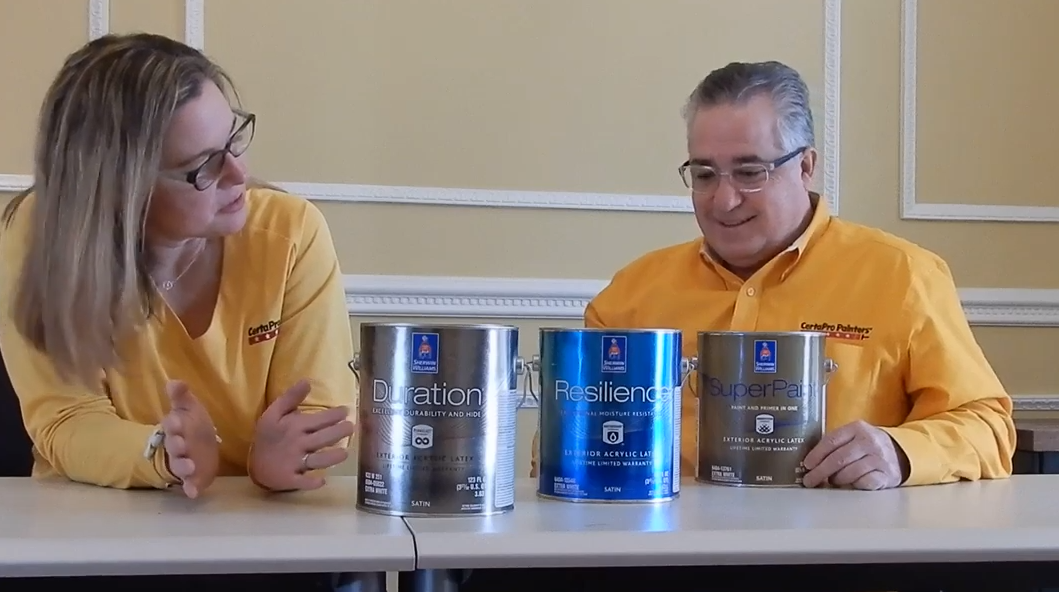
This product is praised for its weather resistance and smooth application. It withstands varying climates and resists peeling and fading. Homeowners often use it for reliable coverage and long-term color retention, making it ideal for diverse siding types.
Benjamin Moore Regal Select Exterior Paint
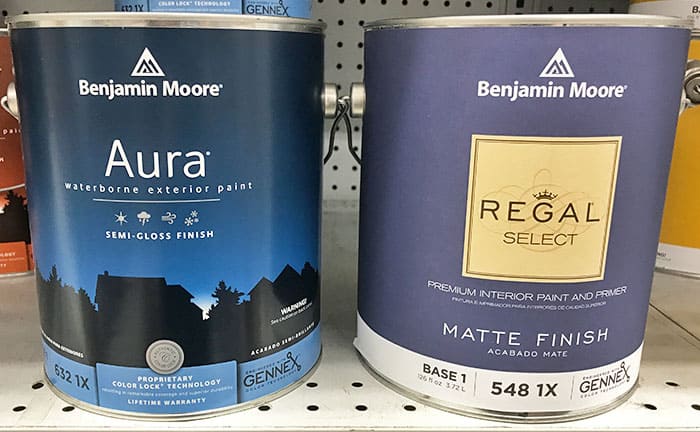
Known for its premium quality and exceptional durability, this paint provides a mildew-resistant finish and excellent adhesion. Its fade-resistant formula ensures vibrant colors even under direct sunlight, making it a top choice for homeowners seeking longevity and beauty.
Behr Marquee Exterior Paint & Primer
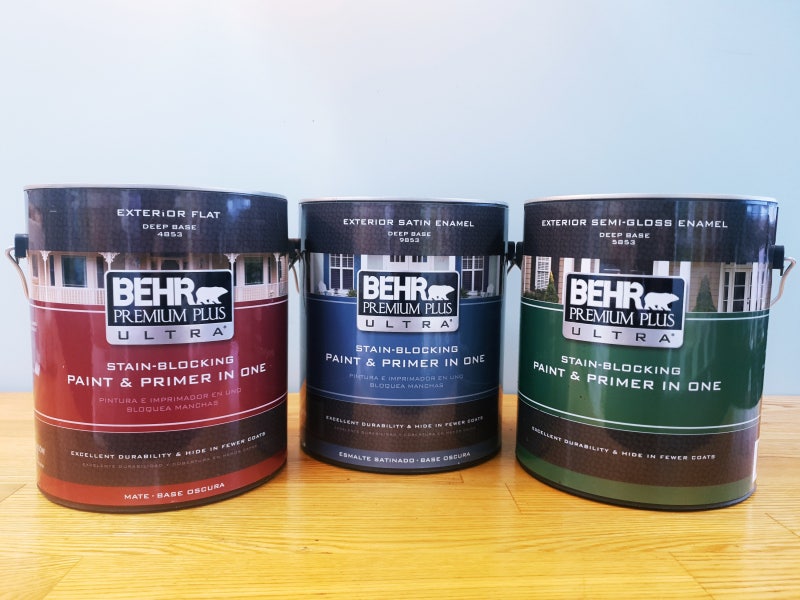
This is a high-performance paint that combines primer and paint into one application, simplifying the process. It offers excellent coverage, superior dirt resistance, and advanced UV protection, making it suitable for homes in regions with intense sun exposure.
Valspar Duramax Exterior Paint
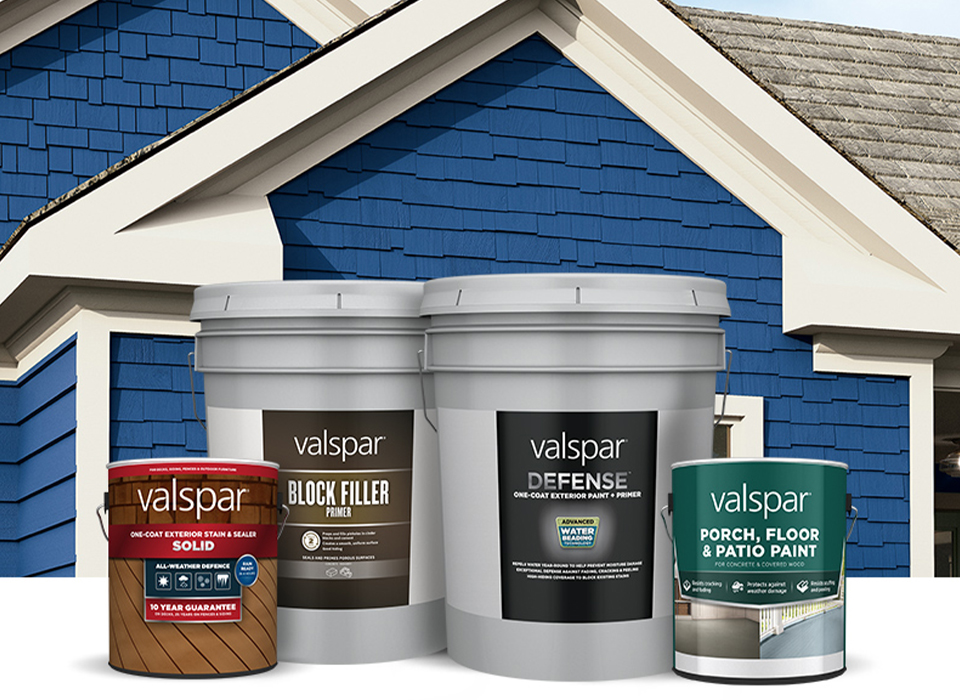
Valspar Duramax is engineered for all-weather performance. Its flexible formula resists cracking and peeling during temperature swings. Its mildew-resistant coating is especially beneficial for homes in humid or coastal regions.
Practical Use Cases of Exterior Painting for Residential
Exterior painting for residential goes beyond improving aesthetics. It addresses real-world needs and challenges faced by homeowners.
Preserving Wooden Structures
Wooden siding, decks, and fences are highly vulnerable to moisture and insects. A good layer of exterior paint seals out these damaging elements, prolonging the life of wooden features and reducing repair costs.
Updating Older Properties
For aging homes, painting is a cost-efficient alternative to remodeling. By choosing modern colors and durable paints, older houses can achieve a refreshed, contemporary look without major renovations.
Improving Energy Efficiency
Some innovative exterior paints feature reflective technology that reduces heat absorption. These coatings help regulate indoor temperatures, lowering energy bills and increasing overall comfort during hot seasons.
Challenges of Exterior Painting Residential
Despite its benefits, exterior painting also presents some challenges that homeowners should anticipate.
Weather Constraints
Weather plays a crucial role in exterior painting. Rain, high humidity, or extreme temperatures can negatively impact paint adhesion and drying. Homeowners must plan projects around favorable weather conditions for the best outcome.
Maintenance Over Time
Even the best-quality paints require occasional maintenance. Over time, natural wear may cause minor peeling or fading, making periodic touch-ups necessary. Regular inspections help identify issues before they become costly repairs.
Tips for a Successful Exterior Painting Residential Project
- Always invest in high-quality paints designed specifically for exterior use.
- Ensure surfaces are properly cleaned, repaired, and primed.
- Choose the right time of year for optimal weather conditions.
- Use the correct tools and techniques for the surface type.
- Regularly inspect and maintain painted surfaces to extend their lifespan.
Frequently Asked Questions
1. How long does exterior paint typically last on a home?
Most exterior paints last between 5 to 10 years, depending on the quality of paint, weather conditions, and surface material. Regular maintenance can extend this lifespan.
2. What kind of paint is best for exterior painting of residential projects?
Acrylic latex paints are recommended for their durability, flexibility, and weather resistance. They are also easier to apply and maintain compared to oil-based alternatives.
3. Can exterior painting improve indoor comfort and energy savings?
Yes, certain exterior paints with reflective or insulating properties can reduce heat absorption. This keeps homes cooler in hot climates and helps reduce air conditioning costs.