Indoor Painting Near Me: Complete Guide to Preparation, Techniques, Benefits, and Best Practices
Searching for “indoor painting near me” is one of the most common steps homeowners take when planning to refresh and improve their living spaces. Indoor painting is not just about applying color to walls; it’s about creating comfort, enhancing aesthetics, and ensuring long-term durability. This comprehensive guide will walk you through preparation, application methods, benefits, product examples, challenges, and practical use cases of indoor painting.
Understanding Indoor Painting Near Me
Indoor painting refers to the process of coating interior walls, ceilings, trim, and other surfaces with paints designed specifically for indoor environments. Unlike exterior paints, indoor formulations prioritize low odor, smooth application, and a wide variety of finishes that complement different design styles.
The growing popularity of searching “indoor painting near me” reflects homeowners’ desire for accessible, professional solutions. Whether hiring experts or taking a DIY approach, understanding the fundamentals of indoor painting ensures better outcomes and longer-lasting results.
Preparation Before Indoor Painting Near Me
Preparation is the most critical step in achieving a flawless interior finish. Without it, even high-quality paint can look uneven or fail prematurely.
Cleaning and Surface Preparation
Surfaces must be clean and smooth before painting. Dust, grease, and stains should be removed using mild detergents or appropriate cleaners. Ceilings and walls may require light sanding to eliminate imperfections. A well-prepared surface allows paint to adhere better and enhances the overall appearance.
Repairs and Priming
Cracks, holes, and uneven textures must be patched with spackling or joint compound. Once repairs are complete, priming is essential. Primers create an even base, improve paint adhesion, and help colors appear more vibrant. Specialized primers are available for stain-blocking, moisture resistance, or bonding on glossy surfaces.
Techniques Used in Indoor Painting Near Me
Different techniques are used depending on the size of the space, surface type, and desired effect.
Brush and Roller Painting
Brushes and rollers remain the most common tools for indoor painting. Rollers provide quick coverage on large walls and ceilings, while brushes allow precision on edges, trim, and smaller details. Proper technique, such as using consistent strokes and feathering edges, prevents streaks and lap marks.
Spray Painting
Spray painting is a faster alternative for large areas or textured surfaces. It delivers a smooth, uniform finish with fewer visible lines. However, it requires masking and ventilation precautions. Professionals often use spray methods in projects where speed and consistency are priorities.
Benefits of Indoor Painting Near Me
Indoor painting offers homeowners a wide range of benefits beyond aesthetics.
Enhanced Aesthetic Appeal
New paint instantly revitalizes a room. Color choices can create different moods, from calming neutrals to bold statements. Indoor painting also allows homeowners to customize living spaces to reflect personal style.
Improved Indoor Air Quality
Modern paints are formulated with low or zero volatile organic compounds (VOCs), reducing harmful emissions. Choosing such paints contributes to healthier indoor environments, especially important for families with children or individuals sensitive to chemicals.
Increased Property Value
Freshly painted interiors significantly boost property appeal. Prospective buyers often see a well-painted home as well-maintained, which can lead to higher property valuations and quicker sales.
Real-World Examples of Indoor Painting Near Me Products
Here are some widely used products that demonstrate the diversity and performance of indoor paints.
Sherwin-Williams SuperPaint Interior Acrylic Latex
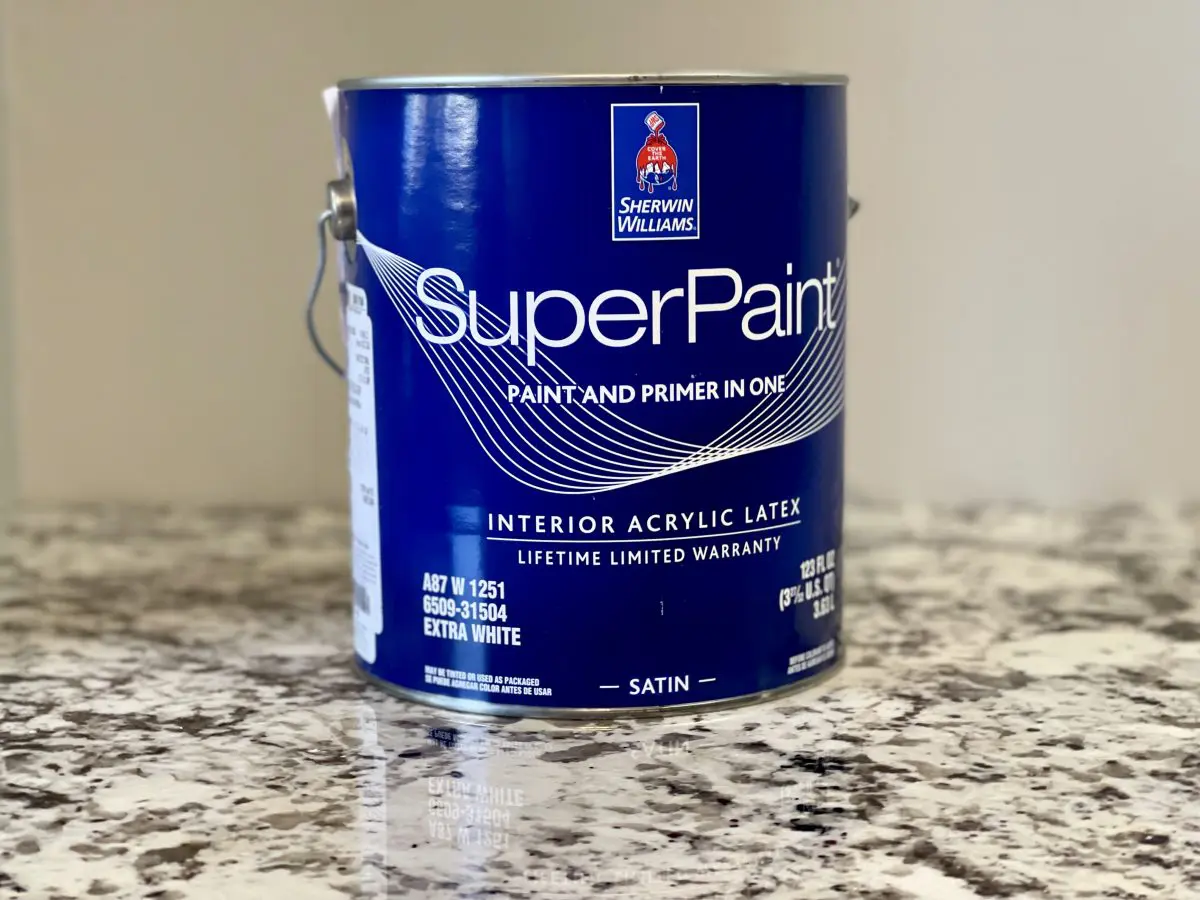
This product is known for its smooth application and durability. It offers excellent coverage and washability, making it ideal for high-traffic areas such as living rooms and hallways. Its low-VOC formula ensures safer indoor air quality.
Benjamin Moore Regal Select Interior Paint
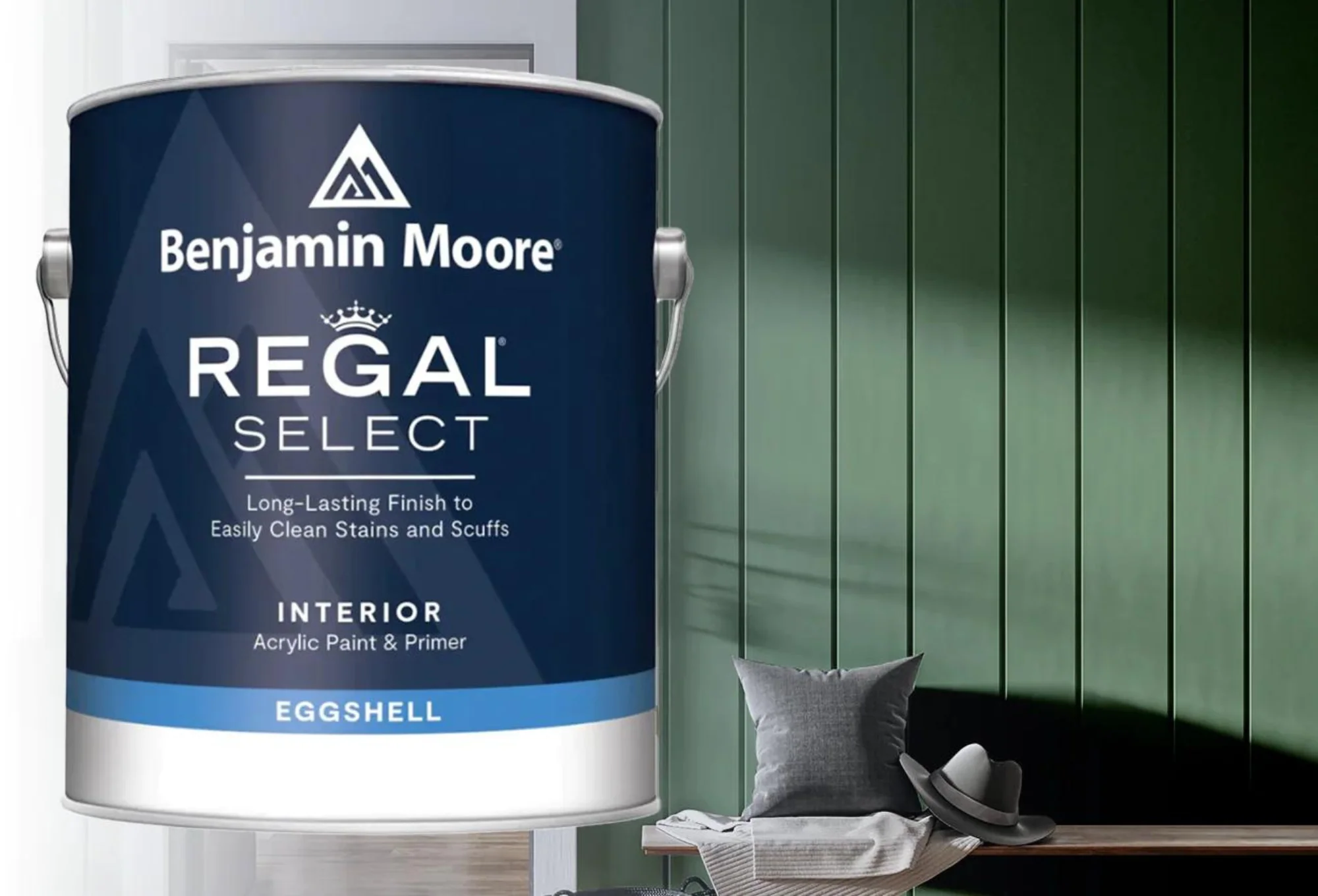
A premium paint choice, this product combines beauty with durability. It provides excellent hide, rich color options, and resistance to fading. Its mildew-resistant properties make it suitable for kitchens and bathrooms.
Behr Premium Plus Interior Paint & Primer in One
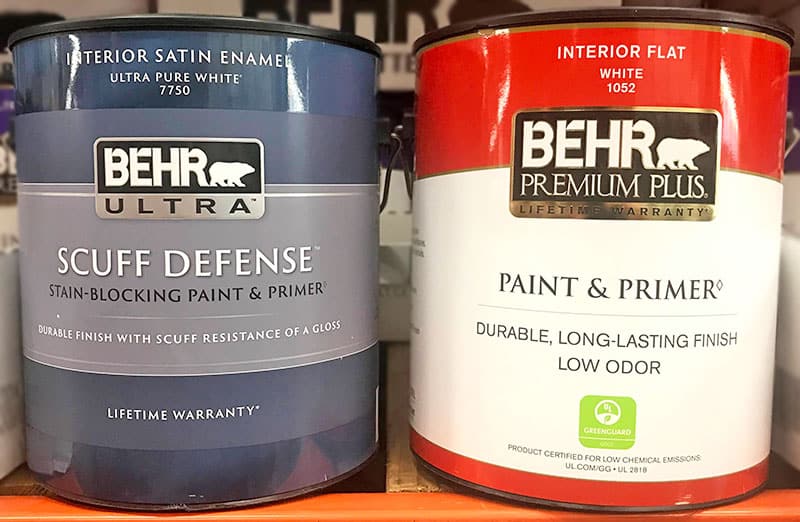
Behr’s all-in-one formula simplifies the painting process. It offers exceptional stain resistance and easy cleaning, making it a great choice for family homes. Its affordable price, combined with quality performance, makes it popular among homeowners.
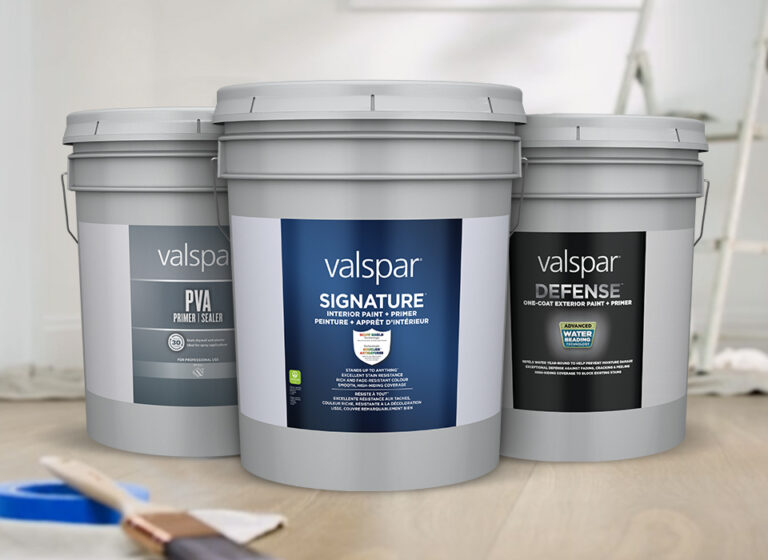
Valspar Signature Interior Paint
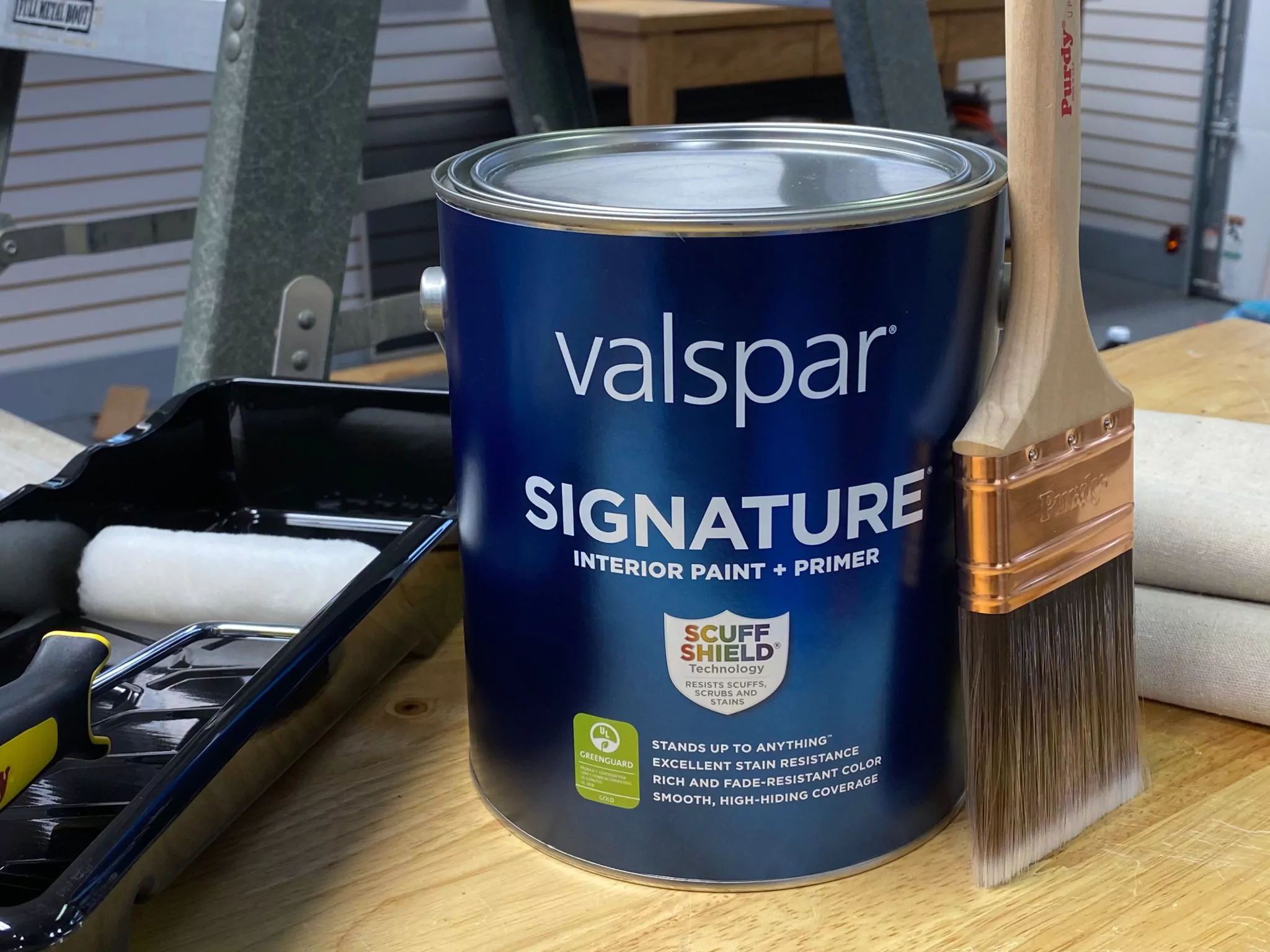
This product is praised for its fade-resistant technology and one-coat coverage. Its scrubbable finish ensures long-lasting beauty even in busy households. It’s a versatile option for different interior design needs.
Practical Use Cases of Indoor Painting Near Me
Indoor painting addresses a variety of real-world challenges and provides practical solutions.
Refreshing Outdated Interiors
Old and dull paint can make a room feel lifeless. Indoor painting brings vibrancy back, helping homeowners modernize interiors without major renovations.
Protecting Surfaces
Beyond beauty, paint serves as a protective layer against everyday wear. It shields walls from scratches, stains, and minor moisture exposure, reducing maintenance costs in the long term.
Creating Healthier Living Spaces
Using low-VOC or zero-VOC paints improves indoor air quality. For households with allergies or sensitivities, this is an effective way to create safer and healthier environments.
Challenges in Indoor Painting Near Me
While highly beneficial, indoor painting comes with challenges that need to be addressed.
Surface Preparation Time
Preparing walls, repairing damages, and priming can be time-intensive. Skipping these steps compromises the final results. Investing time in preparation is key to long-term satisfaction.
Paint Selection Confusion
With numerous brands, finishes, and colors, homeowners may feel overwhelmed. Choosing the right product requires balancing durability, appearance, and health considerations.
Tips for a Successful Indoor Painting Near Me Project
- Choose high-quality paints with low or zero VOCs.
- Always prepare surfaces thoroughly before painting.
- Select the right finish for the room’s function (matte for ceilings, satin for kitchens, semi-gloss for trim).
- Use quality brushes and rollers for smoother results.
- Maintain proper ventilation during and after painting.
Frequently Asked Questions
1. How often should interior walls be repainted?
Most interiors need repainting every 5 to 7 years. High-traffic areas such as hallways or kitchens may require more frequent touch-ups due to wear and stains.
2. What type of paint finish is best for indoor spaces?
Flat or matte finishes hide imperfections, while satin or eggshell finishes are ideal for living rooms and bedrooms. Semi-gloss or gloss finishes are best for trim, doors, and areas requiring easy cleaning.
3. Is indoor painting safe for families with children or pets?
Yes, especially when using low-VOC or zero-VOC paints. These paints reduce harmful emissions, making them safe for sensitive individuals and improving overall air quality indoors.