Local Commercial Roofing Companies: Complete Guide for Businesses
Commercial buildings require strong, reliable, and long-lasting roofing systems. Unlike residential roofs, commercial roofing involves complex designs, larger surfaces, and the need for specialized solutions. When businesses search for “local commercial roofing companies,” they seek trusted experts who can install, repair, and maintain roofs tailored to their unique structural and environmental needs. This comprehensive guide explores the services provided by local commercial roofing companies, the technologies they utilize, the benefits of partnering with them, and real-world examples.
Understanding Local Commercial Roofing Companies
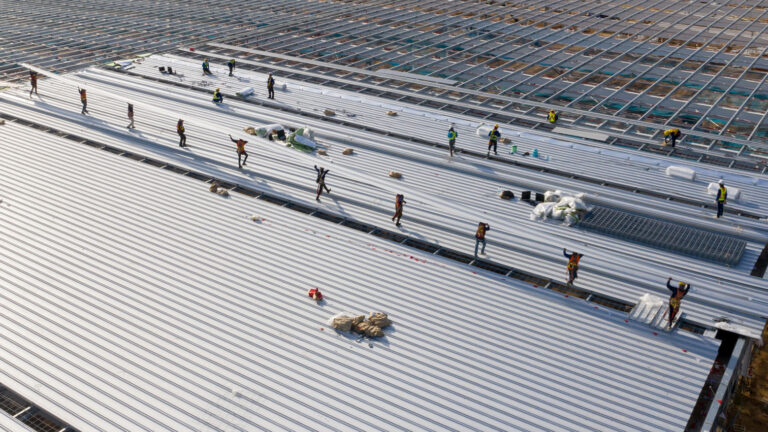
Local commercial roofing companies specialize in installing, maintaining, and repairing roofs on commercial properties such as office buildings, warehouses, retail centers, and industrial facilities. Their expertise goes beyond basic roofing; they must handle larger-scale projects, comply with safety regulations, and use durable materials designed to withstand heavy use and weather conditions.
One of the key differences between commercial and residential roofing is scale. Commercial roofs often cover thousands of square feet, which means the roofing company must have the manpower, equipment, and materials to deliver efficient and safe results. Choosing a local roofing contractor ensures that they are familiar with regional weather conditions, building codes, and supply chains.
Services Offered by Local Commercial Roofing Companies
Installation and Replacement
Local commercial roofing companies provide installation services for new buildings and replacement services for aging or damaged roofs. They use materials such as TPO, EPDM, PVC, and modified bitumen, depending on the building’s needs.
These companies assess structural requirements, slope design, and insulation before installation. Proper planning ensures the roof will remain durable for decades while also helping reduce energy costs.
Roof Repair and Maintenance
Regular repair and maintenance are critical for preventing costly damage. Local companies offer routine inspections, leak repairs, patchwork, and preventive maintenance. Addressing minor issues early can prevent roof collapse, water intrusion, or damage to expensive equipment inside the facility.
By hiring local experts, businesses can schedule regular checkups easily and get immediate help when emergencies strike.
Emergency Roofing Services
Storms, high winds, or heavy rains can cause sudden damage to a commercial roof. Local companies often provide 24/7 emergency response services to minimize downtime and prevent further damage. This is crucial for businesses that cannot afford operational interruptions.
Roof Coatings and Energy Efficiency Solutions
Many companies now offer roof coating services, which extend the lifespan of existing roofs and improve energy efficiency. Coatings like silicone or acrylic help reflect sunlight, reducing heat absorption and lowering cooling costs for businesses.
Benefits of Hiring Local Commercial Roofing Companies
Local Knowledge and Accessibility
Local commercial roofing companies have in-depth knowledge of weather patterns, common roofing issues in the region, and local building codes. This ensures compliance and tailored solutions.
Accessibility is another major benefit. A local company can quickly visit the site for assessments, maintenance, or emergency repairs without long delays.
Cost-Effective and Time-Saving
Since local companies have established supply chains nearby, they can source materials faster and at lower costs. This reduces delays and ensures projects are completed on schedule, which is especially important for businesses that cannot afford prolonged downtime.
Long-Term Relationships
Working with local contractors allows businesses to establish long-term relationships for ongoing maintenance and support. This creates trust and ensures the roof remains in optimal condition throughout its lifespan.
Technological Advancements
Many local commercial roofing companies adopt advanced technologies such as drone inspections, infrared scanning, and energy-efficient materials. These technologies improve accuracy in assessments and enhance the overall quality of roofing solutions.
Real-World Examples of Commercial Roofing Solutions
TPO Roofing Systems for Warehouses
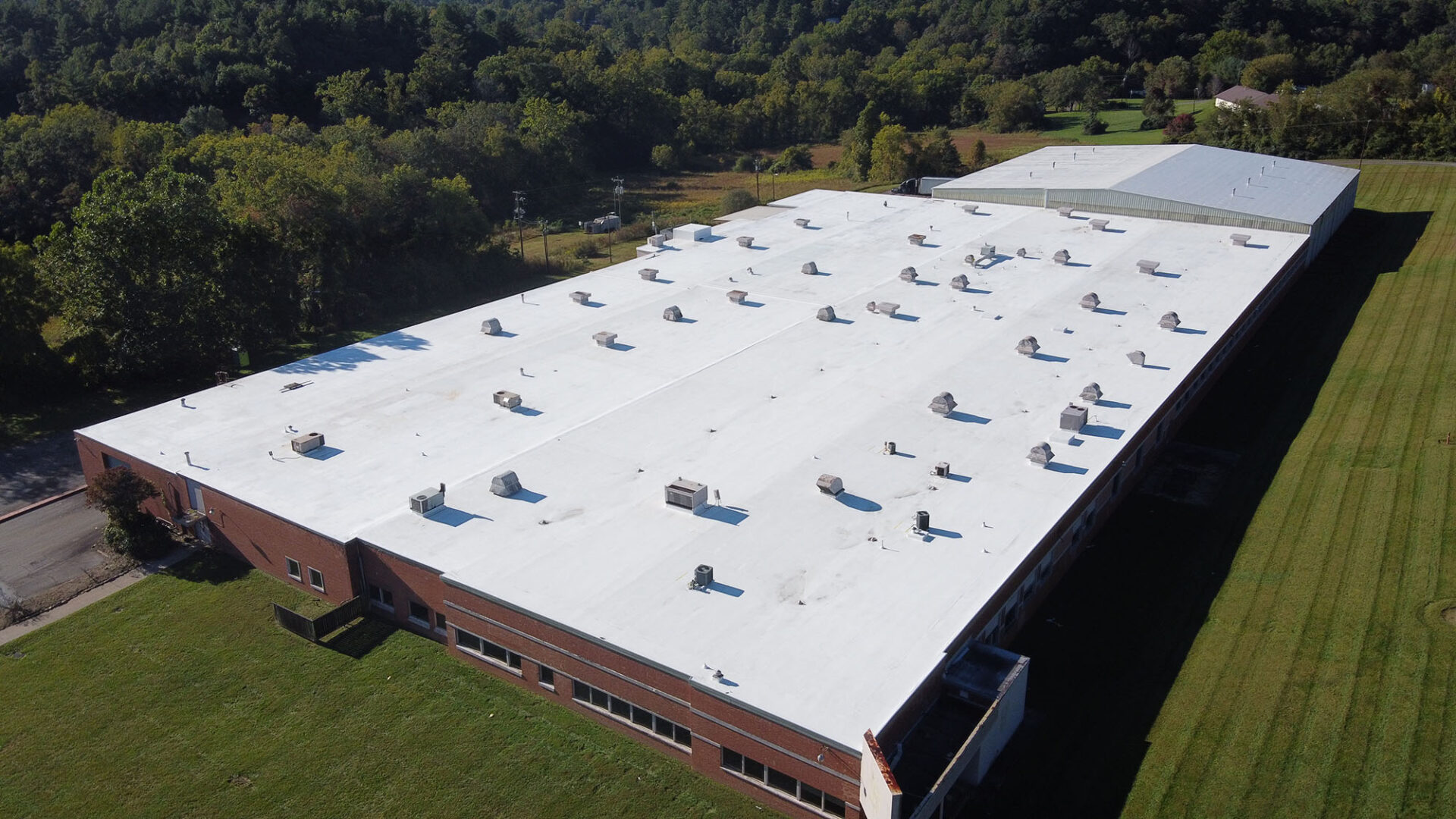
Thermoplastic Polyolefin (TPO) is a popular roofing material for large warehouses and industrial facilities. Local commercial roofing companies frequently recommend it because of its durability, UV resistance, and reflective properties.
TPO roofs help lower energy costs by reflecting sunlight, which keeps the building cooler. They are also easy to install in large sheets, minimizing seams and reducing leak risks. In regions with hot summers, local roofing companies find TPO particularly beneficial.
EPDM Roofing for Office Buildings
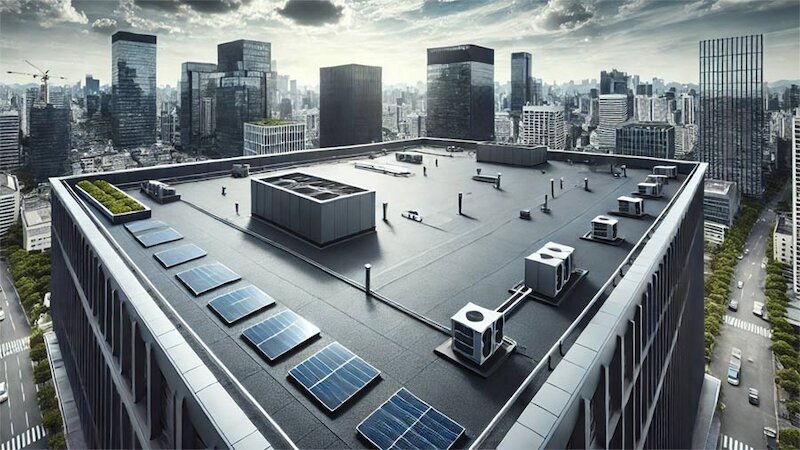
Ethylene Propylene Diene Monomer (EPDM) is a synthetic rubber roofing membrane known for its flexibility and weather resistance. Local commercial roofing companies often use EPDM for office buildings due to its ability to handle fluctuating temperatures without cracking.
Its longevity, often lasting 30 years or more, makes it a cost-effective solution. Additionally, EPDM’s dark surface absorbs heat, making it suitable for colder climates where heating costs need to be reduced.
PVC Roofing for Retail Centers
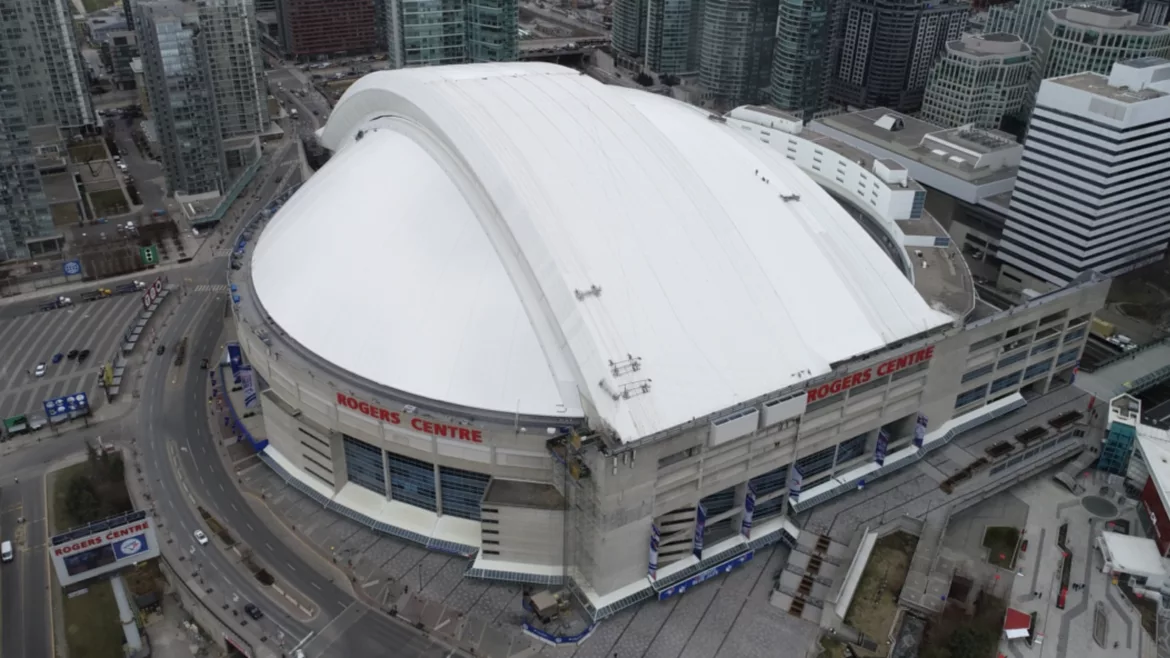
Polyvinyl Chloride (PVC) roofing is a preferred choice for retail centers that need durability and resistance against chemicals, grease, or oils (common in restaurants within malls). Local commercial roofing companies install PVC roofing to provide long-term performance in high-traffic commercial settings.
Its heat-welded seams create a watertight bond, preventing leaks. PVC roofing also offers fire resistance, making it ideal for businesses that prioritize safety alongside efficiency.
Modified Bitumen for Industrial Facilities
Modified bitumen combines asphalt with polymers to increase strength and flexibility. It is often applied to industrial facilities where durability and waterproofing are critical.
Local roofing contractors use modified bitumen for flat or low-slope roofs because it resists heavy foot traffic and extreme weather conditions. It’s a versatile solution that allows layering for additional protection, making it ideal for high-demand environments.
Benefits of Using Technology in Commercial Roofing
Drone Inspections
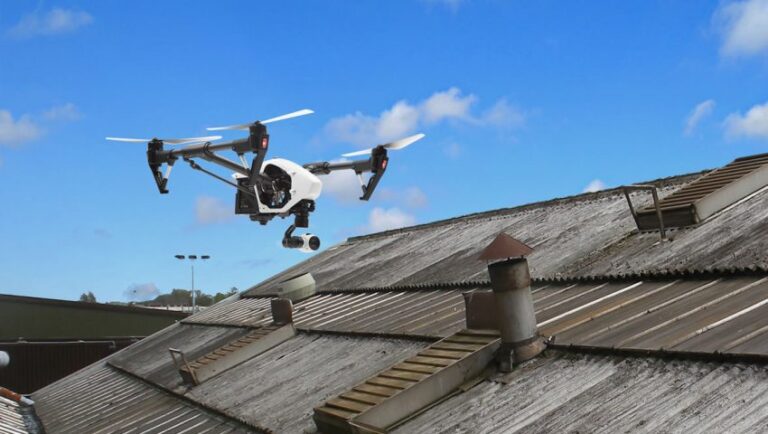
Drones allow roofing companies to conduct thorough inspections safely and quickly. With aerial imagery, contractors can detect issues like cracks, leaks, or ponding water without physically climbing onto the roof. This reduces risks and provides more accurate data.
Infrared Scanning
Infrared technology detects hidden moisture within roofing systems. By identifying areas with trapped water, roofing companies can prevent mold growth, structural damage, and insulation problems. This technology ensures repairs are targeted and effective.
Advanced Roofing Materials
Modern materials like cool roof coatings, reflective membranes, and sustainable products enhance energy efficiency while extending roof lifespans. Local companies adopting these materials help businesses save money on utilities and reduce environmental impact.
Practical Use Cases and Problem-Solving
Protecting Business Assets
A well-maintained commercial roof protects equipment, inventory, and personnel from weather damage. Local roofing companies provide timely inspections and repairs, ensuring businesses avoid costly interruptions.
Reducing Energy Costs
Energy-efficient roofing solutions like TPO or reflective coatings help businesses save significantly on cooling expenses. For companies in warmer climates, this reduces operational costs year-round.
Compliance with Local Building Codes
Local roofing companies are familiar with regional regulations, ensuring that installations meet safety and environmental standards. This reduces the risk of fines or legal complications.
Emergency Preparedness
By partnering with local experts, businesses gain access to 24/7 emergency roofing services. This rapid response prevents revenue loss and ensures continuity during unexpected weather events.
Frequently Asked Questions
1. What makes local commercial roofing companies different from national contractors?
Local companies understand regional weather, building codes, and supply chains better. They also provide quicker response times and personalized service compared to large national firms.
2. How often should a commercial roof be inspected by a local roofing company?
Most experts recommend at least two inspections per year—one in the spring and one in the fall. Additional inspections are advised after major storms or extreme weather events.
3. Which roofing material is best for commercial buildings?
The best material depends on climate, building type, and budget. TPO is excellent for energy efficiency, EPDM works well in colder climates, PVC is ideal for chemical resistance, and modified bitumen is suitable for durability.