Qualified Roofing Leads: Complete Guide to Attracting High-Quality Prospects
Generating qualified roofing leads is one of the most crucial elements of a successful roofing business. While raw leads can flood your pipeline, they don’t always guarantee conversion. Qualified leads, on the other hand, are pre-screened, highly interested prospects who are more likely to become paying customers. This distinction can make or break the efficiency of your sales funnel.
In this comprehensive guide, we’ll cover what qualified roofing leads are, why they matter, the role of technology, real-world examples of strategies that work, and practical benefits for roofing companies aiming for steady growth.
What Are Qualified Roofing Leads?
Qualified roofing leads are potential customers who not only show interest in your roofing services but also meet specific criteria that align with your business goals. Unlike general inquiries, these leads usually come from homeowners or property managers who have an immediate or planned need for roofing repair, replacement, or installation.
For example, a homeowner who fills out a form detailing roof damage after a storm is more valuable than someone simply browsing roofing materials online. Qualified leads are often filtered by factors such as location, budget, urgency, and service type. This filtering process ensures that sales teams spend their energy on prospects with a high chance of conversion.
Qualified leads reduce wasted time, lower customer acquisition costs, and help businesses achieve more predictable revenue.
Why Roofing Companies Should Prioritize Qualified Leads
Roofing is a highly competitive industry where timing, trust, and visibility determine success. Companies that focus only on raw lead volume often struggle with wasted calls, low engagement, and missed sales. Qualified roofing leads give businesses a sharper edge by:
-
Providing better ROI for marketing campaigns.
-
Increasing close rates by focusing on prospects ready to act.
-
Building stronger customer relationships through personalized solutions.
-
Ensuring resources are allocated to the right clients.
In short, qualified leads don’t just fill your sales funnel; they accelerate revenue growth and improve operational efficiency.
Benefits of Using Technology for Roofing Lead Qualification
Modern roofing companies increasingly rely on technology to generate and qualify leads more efficiently. From digital marketing automation to AI-driven lead scoring, technology ensures that sales reps focus only on the most promising opportunities.
One of the major advantages of using technology is automation. Software tools can automatically capture, categorize, and qualify leads based on criteria such as location, budget, and urgency. This saves time for roofing businesses while reducing human error.
Another benefit is data-driven decision-making. With CRM platforms and analytics tools, roofing companies can track customer behaviors, identify which campaigns bring in the most qualified leads, and optimize strategies accordingly. Instead of guessing, they use real insights to fine-tune lead generation efforts.
Finally, technology enhances customer experience. By tracking touchpoints across websites, ads, and calls, companies can respond quickly and personally to prospects—building trust and credibility.
Real-World Examples of Qualified Roofing Lead Generation Strategies
1. CRM Software for Roofing Companies
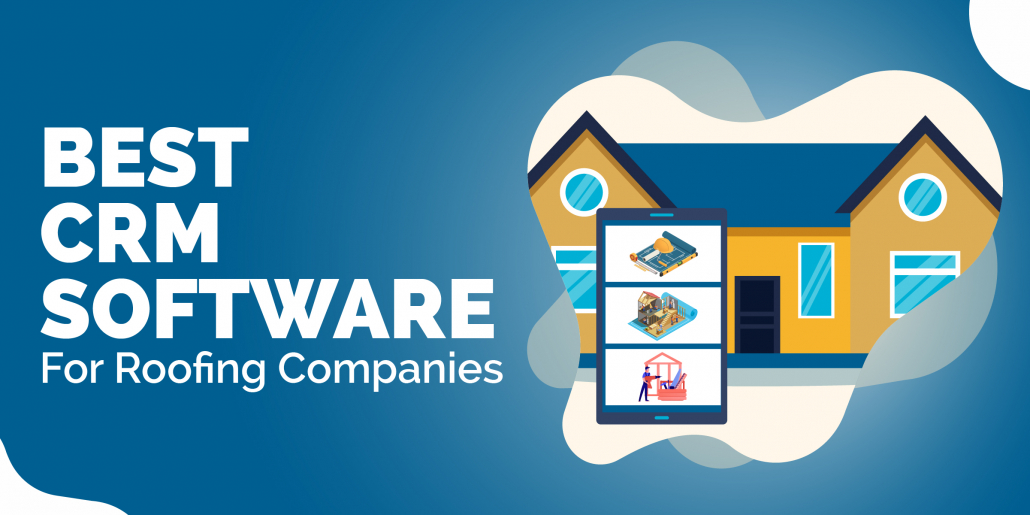
Customer Relationship Management (CRM) software has become the backbone of qualified roofing lead generation. A roofing-specific CRM allows companies to centralize customer data, track interactions, and prioritize the most promising leads.
For instance, a CRM can highlight homeowners who repeatedly visited your website’s roof replacement page, filled out a quote form, and live in your service area. This pre-qualification process ensures sales teams spend less time chasing unfit leads. Roofing companies using CRM systems often report higher close rates and improved customer satisfaction.
2. Google Local Services Ads (LSA)
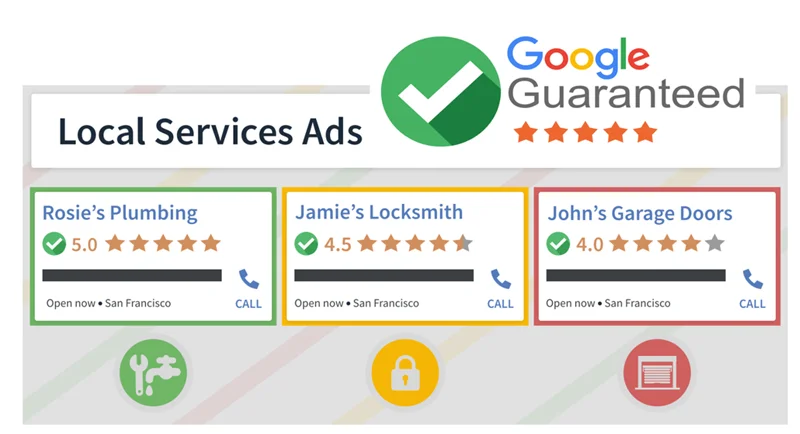
Google Local Services Ads are powerful for roofing businesses because they target people actively searching for roofing services in their area. Unlike traditional pay-per-click ads, LSAs only charge you when a customer contacts your business.
Qualified roofing leads from LSAs are more likely to convert because the prospects have already shown intent by searching “roof repair near me” or “roof replacement in [city].” This intent-driven model reduces wasted ad spend and ensures a steady flow of motivated prospects.
3. Storm Damage Lead Generation Platforms
Many roofing companies partner with platforms that specialize in storm damage lead generation. These platforms track severe weather patterns and connect roofing contractors with homeowners who have experienced roof damage.
This creates highly qualified leads because the need is immediate, urgent, and non-negotiable. A homeowner with hail or wind damage is not simply browsing options—they must repair their roof quickly. Companies using these platforms often find they can scale faster while maintaining high lead quality.
4. Roofing Website with Smart Lead Forms
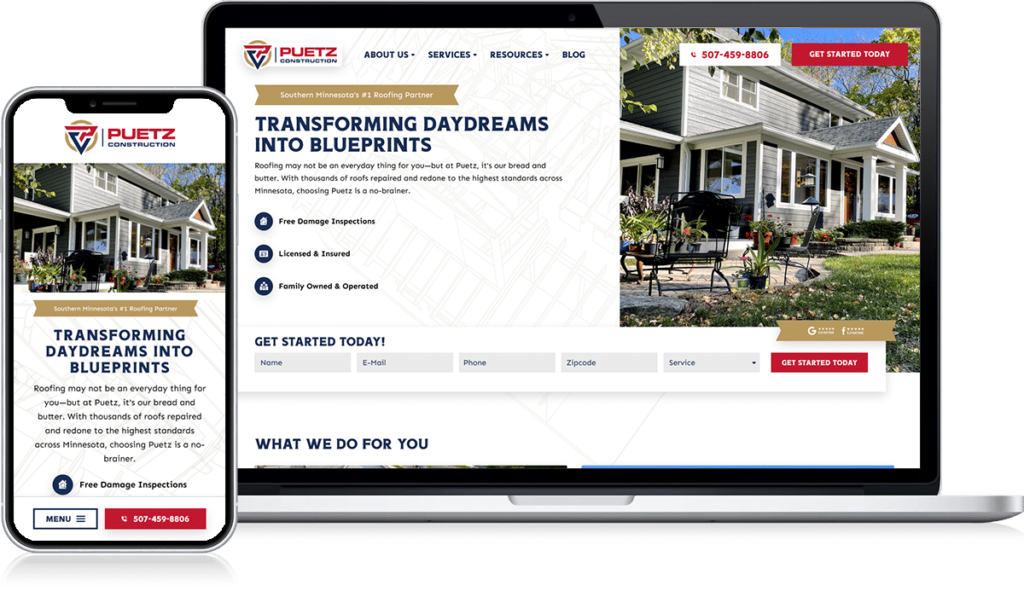
Websites remain the cornerstone of digital marketing for roofing businesses, but smart lead capture forms elevate their performance. By including detailed questions such as service type, budget, and urgency, these forms filter out unqualified prospects early.
For example, a website might ask: “Are you looking for repair or full replacement?” and “How soon do you need service?” Answers allow roofing companies to prioritize emergency repairs over non-urgent inquiries, saving time and improving customer engagement.
5. Social Media Targeted Campaigns
Social platforms like Facebook and Instagram allow roofing businesses to run highly targeted ad campaigns based on location, demographics, and homeowner status. When done correctly, these ads bring in qualified roofing leads because they reach only those who fit the target customer profile.
For instance, a campaign targeting homeowners in neighborhoods recently affected by storms can yield high-quality leads almost immediately. Advanced filters prevent wasted impressions on renters or businesses outside your service area.
Practical Benefits of Qualified Roofing Leads
Qualified roofing leads provide several practical advantages that directly impact business performance:
-
Higher Close Rates: Sales teams spend less time filtering through uninterested prospects, focusing instead on customers ready to make a decision.
-
Cost Efficiency: Marketing dollars are allocated toward strategies that deliver the best ROI.
-
Time Savings: Automation and filtering reduce wasted time spent on unqualified prospects.
-
Stronger Customer Relationships: With more time available, teams can personalize interactions and build lasting trust.
-
Steady Growth: Predictable revenue streams enable roofing businesses to scale sustainably.
These benefits highlight why focusing on quality over quantity is essential for long-term success.
Use Cases of Qualified Roofing Leads
Emergency Roof Repair After Storms
One of the most common real-world scenarios where qualified roofing leads matter is after a storm. Homeowners with urgent repair needs will actively seek roofing contractors. Roofing companies that capture these leads quickly often secure jobs faster and maintain strong reputations for responsiveness.
Full Roof Replacement Projects
Qualified leads are also essential for large-scale projects such as roof replacements. These jobs are high-ticket and require careful consultation. By pre-qualifying prospects with budget and intent data, roofing companies ensure they focus on clients who can afford and are committed to such investments.
Commercial Roofing Contracts
Commercial projects often involve significant investment and longer sales cycles. Qualified leads in this segment might include property managers actively seeking bids for multi-unit roofing projects. By filtering for urgency, budget, and project scope, roofing contractors can allocate specialized teams to handle these high-value clients.
Frequently Asked Questions (FAQ)
1. What makes a roofing lead “qualified”?
A qualified roofing lead is a prospect that meets specific business criteria such as service area, budget, urgency, and intent. These leads are more likely to convert into paying customers compared to general inquiries.
2. How can technology improve roofing lead qualification?
Technology helps by automating lead capture, analyzing customer behavior, and filtering prospects based on pre-set criteria. Tools like CRM systems, smart forms, and targeted ads reduce wasted effort and increase conversion rates.
3. Are qualified leads better than a high volume of raw leads?
Yes, because quality beats quantity in lead generation. While raw leads may bring more inquiries, qualified leads ensure sales teams spend time on prospects who are genuinely ready to buy, leading to better ROI and growth.