Exterior Paint Commercial Building: Complete Guide to Durability, Style, and Performance
Exterior paint for commercial buildings is far more than a cosmetic choice. It represents the identity, durability, and protection of a property that must withstand weather, pollution, and daily wear. Choosing the right exterior paint can significantly impact a building’s appeal, longevity, and even energy efficiency. In this article, we will explore the importance of exterior paint, modern technologies behind high-performance coatings, real-world product examples, and practical strategies to maximize results.
Why Exterior Paint Matters for Commercial Buildings
The exterior of a commercial building serves as its first impression. Paint is not only about aesthetics; it’s also about protecting the structure from long-term environmental damage. Rain, UV rays, mold, and air pollution can weaken surfaces, causing costly repairs if left unchecked.
For businesses, the right exterior paint elevates brand image. A clean, vibrant façade communicates professionalism, reliability, and attention to detail. In contrast, faded or cracked paint can discourage potential customers and tenants. Therefore, investing in high-quality paint is both a financial and strategic decision.
Key Factors in Choosing Exterior Paint for Commercial Buildings
Durability and Weather Resistance
Commercial buildings are exposed to harsh outdoor conditions year-round. Paint should resist UV fading, cracking, and peeling to maintain visual appeal for years. Modern coatings include acrylic polymers and elastomeric properties that expand and contract with temperature shifts, reducing surface damage.
Color Retention and Aesthetics
Brand identity often relies on specific color palettes. Exterior paint with fade-resistant pigments ensures that logos, signage, and architectural details remain vibrant even after prolonged sun exposure.
Moisture and Mold Protection
Moisture intrusion is one of the biggest threats to commercial façades. Premium paints include mildewcides and water-resistant additives, which prevent mold, mildew, and rot. This is especially important in humid climates or buildings near coastal areas.
Technologies Behind Modern Exterior Paints
Low-VOC and Eco-Friendly Formulations
Sustainability is now a priority in construction. Low-VOC (Volatile Organic Compound) exterior paints reduce harmful emissions, improving indoor and outdoor air quality. This is especially relevant for commercial properties aiming for certifications such as LEED.
Thermal Reflective Coatings
Some advanced paints are engineered with heat-reflective technology. These coatings reflect UV and infrared rays, keeping the building cooler and reducing energy costs. In large-scale commercial buildings, this translates to significant savings.
Self-Cleaning Paints
Nanotechnology has enabled paints that repel dirt and pollutants. Known as “self-cleaning paints,” these coatings minimize maintenance costs while keeping the building façade consistently clean and attractive.
Real-World Examples of Exterior Paints for Commercial Buildings
Sherwin-Williams Loxon XP
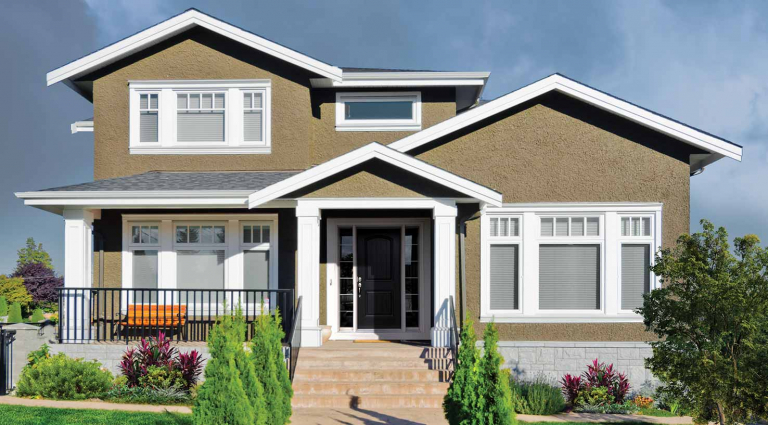
Sherwin-Williams Loxon XP is designed for extreme durability. It provides waterproofing, alkali resistance, and superior adhesion, making it ideal for concrete, masonry, and stucco exteriors. This paint is especially suitable for large commercial complexes where long-term maintenance is crucial.
Its advanced weatherproofing formula helps prevent cracking and peeling, ensuring façades remain intact for years. Many property managers prefer it due to its resilience in both humid and arid climates.
BEHR MARQUEE Exterior Paint
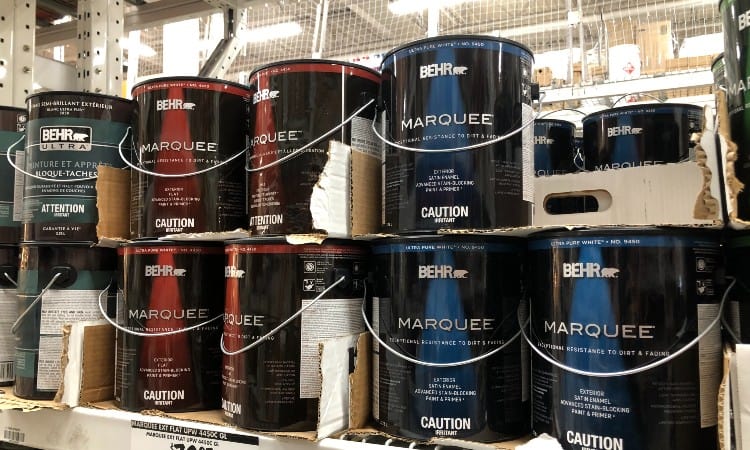
BEHR MARQUEE is known for one-coat coverage and exceptional color retention. It resists dirt, moisture, and UV damage, making it a strong candidate for commercial buildings that require a consistent appearance with minimal upkeep.
The brand emphasizes fade-resistant technology, which is particularly useful for businesses using bold colors in their branding. BEHR MARQUEE offers a wide range of finishes that can adapt to different architectural styles, from modern office towers to shopping centers.
Benjamin Moore Aura Exterior Paint
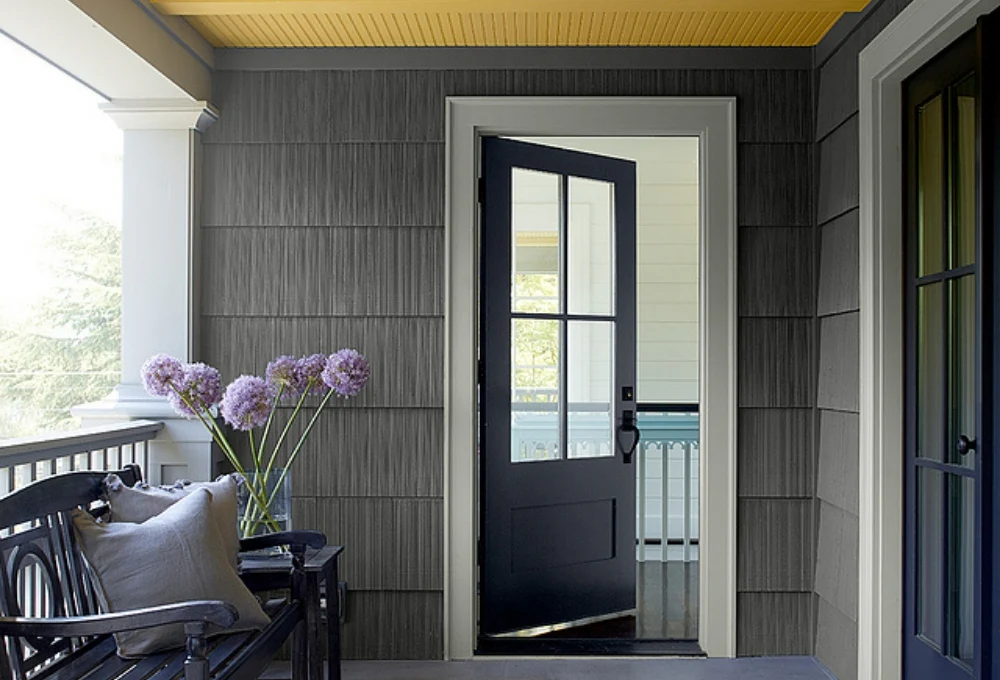
Benjamin Moore’s Aura Exterior Paint is a premium choice offering superior coverage, vibrant color depth, and long-lasting protection. Its proprietary Color Lock technology ensures pigments remain vivid, even under harsh weather exposure.
This paint is especially popular for office buildings, educational institutions, and retail complexes seeking a combination of elegance and durability. It also includes mildew resistance, making it suitable for regions with high rainfall.
PPG PERMANIZER Exterior Paint
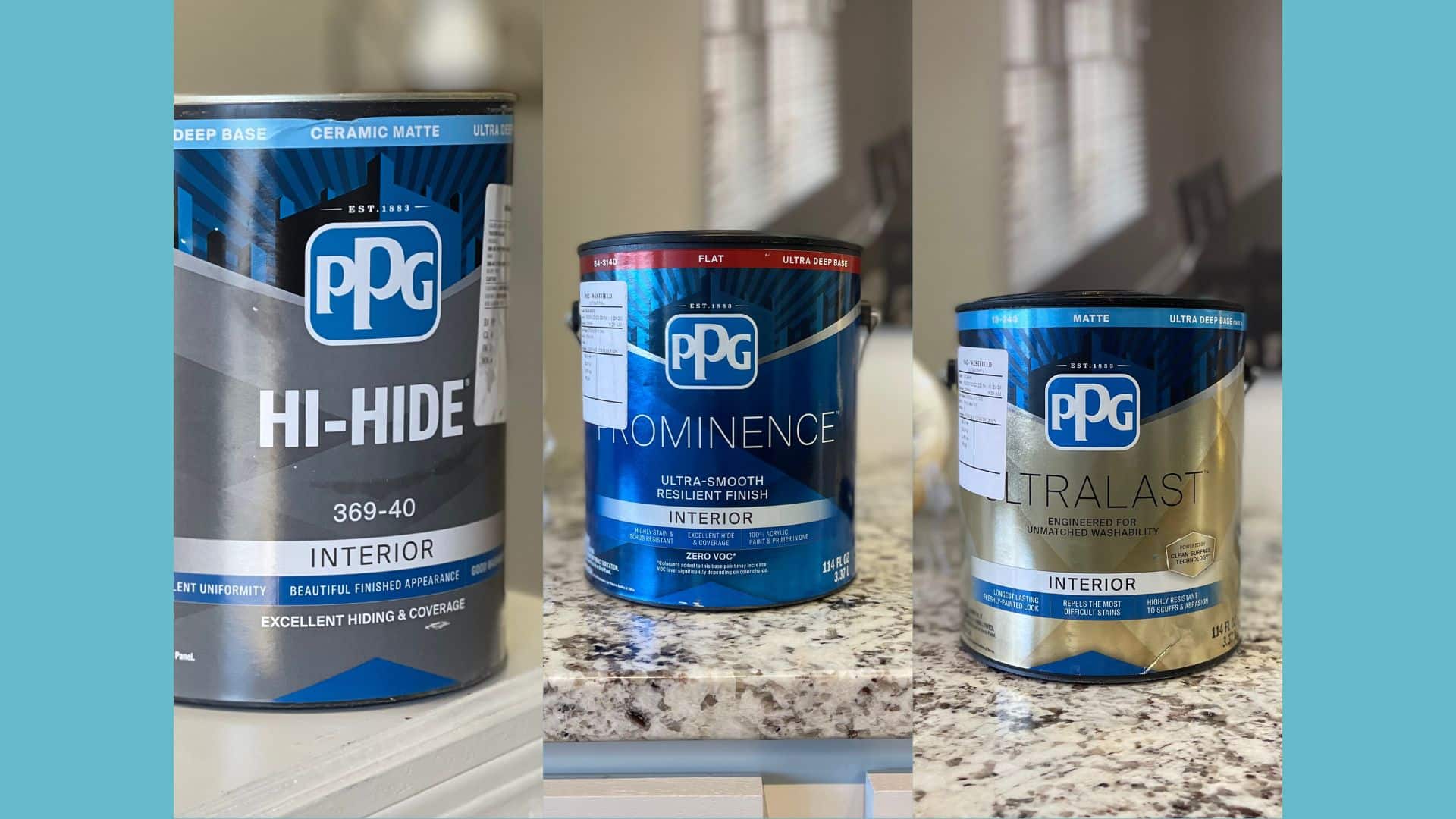
PPG PERMANIZER is engineered for longevity, with excellent adhesion and resistance to chalking, peeling, and fading. It’s 100% acrylic latex formula creates a flexible, protective layer that withstands extreme temperatures.
This product is often used in commercial settings like warehouses, shopping malls, and healthcare buildings where both structural protection and visual consistency are required.
Benefits of Using High-Quality Exterior Paint in Commercial Projects
Extended Building Lifespan
Quality paints prevent surface degradation, reducing repair needs and extending the building’s structural life. This is a cost-saving advantage for property owners.
Enhanced Brand Image and Market Value
A freshly painted façade creates curb appeal, attracting tenants, customers, and investors. For commercial properties, this can directly impact rental rates and resale value.
Reduced Maintenance Costs
Investing in durable, self-cleaning, or fade-resistant paints minimizes the frequency of repainting, cutting down long-term expenses.
Energy Efficiency
Heat-reflective exterior paints lower energy usage for air conditioning, contributing to sustainability goals and operational savings.
Use Cases: How Exterior Paint Solves Real-World Problems
Protecting Buildings in Coastal Areas
Salt air, humidity, and constant sun exposure can cause paint to peel prematurely. Specialized exterior paints with waterproofing and UV resistance ensure façades remain strong and attractive in coastal environments.
Modernizing Aging Buildings
Older commercial buildings can be revitalized with high-quality paints that offer fresh aesthetics and structural protection. This is often a more cost-effective solution than major renovations.
Reducing Operational Costs for Businesses
By choosing thermal-reflective paints, businesses lower energy consumption. This is especially beneficial for large office towers or retail spaces where cooling costs are significant.
Creating Strong Brand Presence
For franchises, retail chains, or corporate headquarters, maintaining consistent color schemes across multiple locations strengthens brand recognition. High-quality exterior paints ensure that these colors remain uniform and fade-resistant.
FAQs About Exterior Paint for Commercial Buildings
1. How often should commercial buildings be repainted?
On average, commercial buildings need repainting every 5–10 years, depending on climate, paint quality, and maintenance practices. Premium paints may extend this timeline.
2. Can exterior paint improve energy efficiency?
Yes. Heat-reflective exterior paints reduce solar heat absorption, lowering cooling costs and improving indoor comfort in commercial buildings.
3. What’s the most important factor when choosing paint for a commercial building?
Durability and weather resistance are key. Paint should withstand sun, rain, and pollution while retaining color vibrancy and protecting the structure.