Complete Guide to Residential Exterior Painting: Techniques, Benefits, and Best Practices
Residential exterior painting is one of the most effective ways to enhance the beauty, durability, and value of a home. Whether you are a homeowner looking to refresh your property’s curb appeal or planning long-term protection for your house, exterior painting plays a crucial role. This comprehensive guide explores techniques, benefits, challenges, real-world examples, and practical applications of residential exterior painting.
Understanding Residential Exterior Painting
Residential exterior painting refers to the process of applying protective and decorative coatings to the outer surfaces of a home. These surfaces include siding, trim, doors, windows, and even fences or decks. Unlike interior painting, exterior projects must endure weather conditions, temperature shifts, and UV exposure. Therefore, the choice of materials, preparation, and application methods is critical.
Homeowners often underestimate how much planning and expertise go into exterior painting. From selecting paint finishes to understanding weather conditions, each step has a significant impact on the outcome.
Preparation Before Residential Exterior Painting
Preparation is the foundation of a successful exterior painting project. Without it, even high-quality paints can fail prematurely.
Cleaning and Surface Preparation
Before applying paint, surfaces must be cleaned thoroughly. This usually involves power washing to remove dirt, mildew, and old peeling paint. In some cases, chemical cleaners may be used to address stubborn stains or mold. A clean surface ensures that paint adheres properly and lasts longer.
Repair and Priming
Cracks, holes, and damaged areas must be repaired before painting. For wooden surfaces, sanding helps smooth out imperfections and remove old coatings. Priming is another crucial step, especially for bare wood, new materials, or areas that have been patched. High-quality primers seal the surface and provide a uniform base for topcoats.
Techniques Used in Residential Exterior Painting
Exterior painting involves a variety of application techniques. Each method is selected based on the type of surface and the desired finish.
Brush and Roller Application
Brushes and rollers are commonly used for trim, doors, and detailed areas. While slower than other methods, they provide excellent coverage and control. Rollers are ideal for broad surfaces such as siding, while brushes are better suited for edges and corners.
Spray Painting
Spray painting is widely used for larger exterior surfaces because it delivers a smooth and uniform finish. It is also faster than manual methods, making it popular for professional projects. However, it requires more preparation to prevent overspray and ensure even coverage.
Benefits of Residential Exterior Painting
A well-executed painting project offers more than just aesthetic improvement. It provides both functional and financial benefits.
Enhanced Curb Appeal
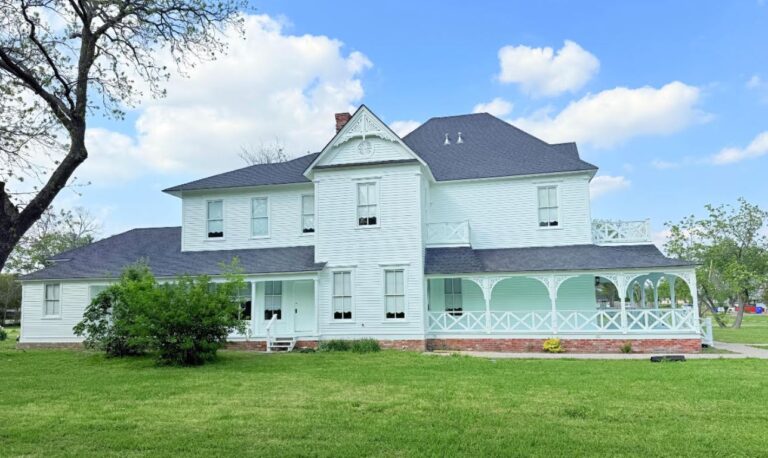
Fresh exterior paint dramatically boosts a home’s appearance. Color selection can highlight architectural details, complement landscaping, and give the property a refreshed look. This is particularly beneficial for homeowners planning to sell.
Protection Against Weather and Damage
Exterior paint acts as a shield against moisture, UV rays, and fluctuating temperatures. It prevents wood rot, rust, and insect damage, prolonging the life of the building materials. High-quality paint also minimizes fading and peeling, ensuring the home looks great for years.
Increased Property Value
A well-painted home typically appraises higher and attracts more buyer interest. Even a simple repainting project can provide significant returns on investment, making it one of the most cost-effective improvements a homeowner can make.
Real-World Examples of Residential Exterior Painting Products
To better understand the options available, let’s look at some notable examples of exterior paints and coatings used in residential projects.
Sherwin-Williams Duration Exterior Acrylic Latex
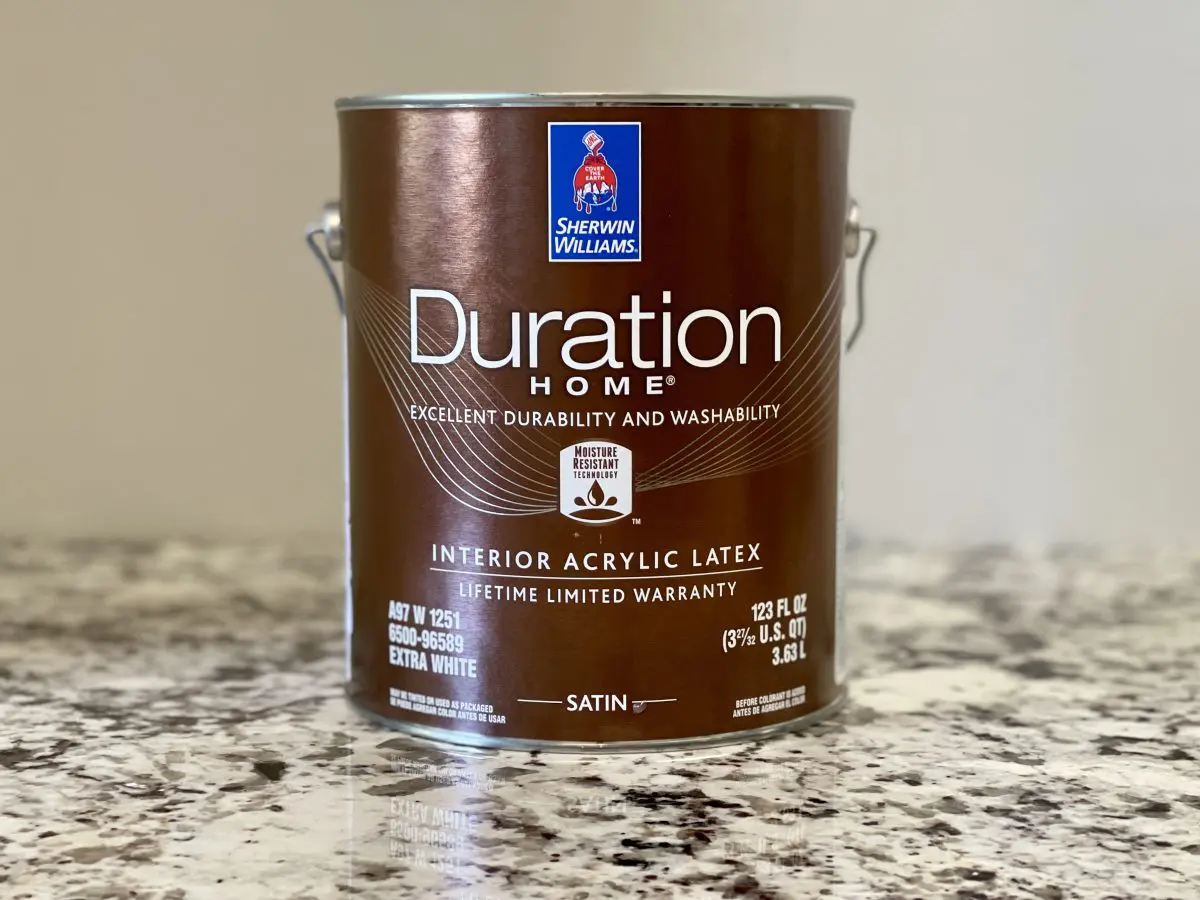
This product is well-regarded for its advanced durability and weather resistance. Designed to withstand extreme temperatures and harsh climates, it resists peeling, blistering, and fading. Homeowners often choose this paint for its ability to maintain a vibrant appearance while offering long-term protection.
Benjamin Moore Aura Exterior Paint
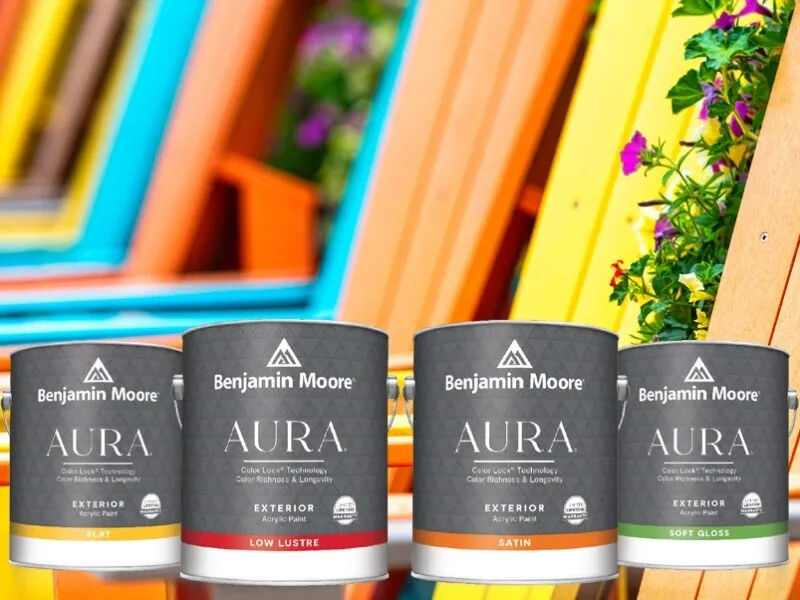
Known for its rich color options and fade-resistant formula, this paint is a favorite among homeowners aiming for long-lasting beauty. It features technology that resists mildew and cracking, ensuring that surfaces remain smooth and appealing. Its superior adhesion makes it a reliable choice for a variety of exterior surfaces.
Behr Premium Plus Ultra Exterior Paint & Primer in One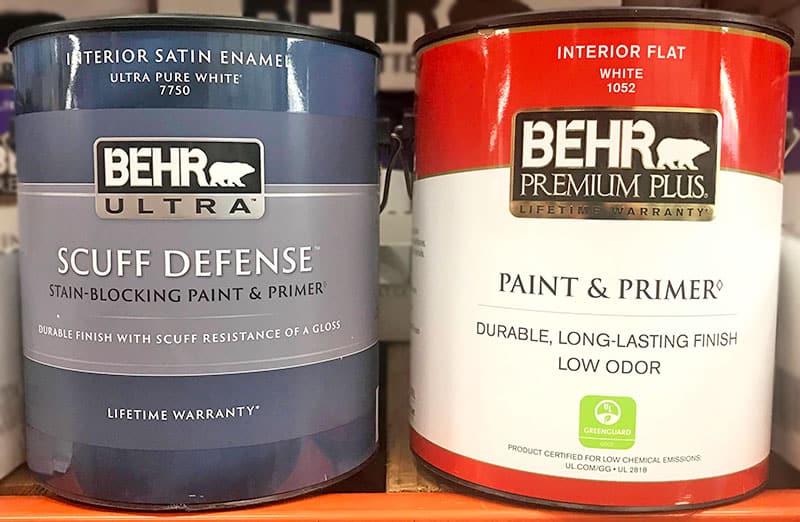
This product simplifies the painting process by combining primer and paint in a single formula. It is particularly useful for homeowners who want to save time while ensuring high coverage and durability. It provides excellent resistance to moisture, UV rays, and everyday wear, making it versatile for different climates.
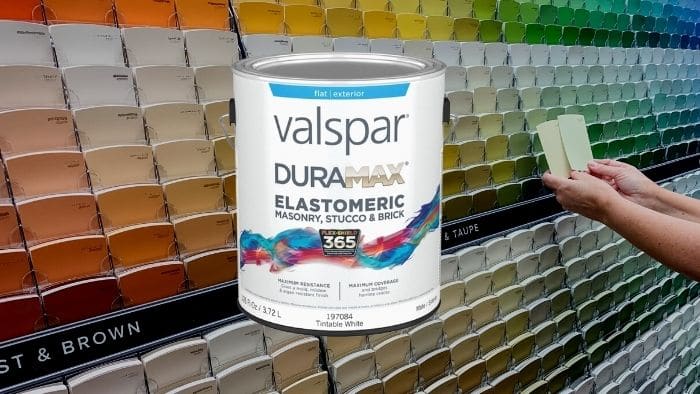
Valspar Duramax Exterior Paint
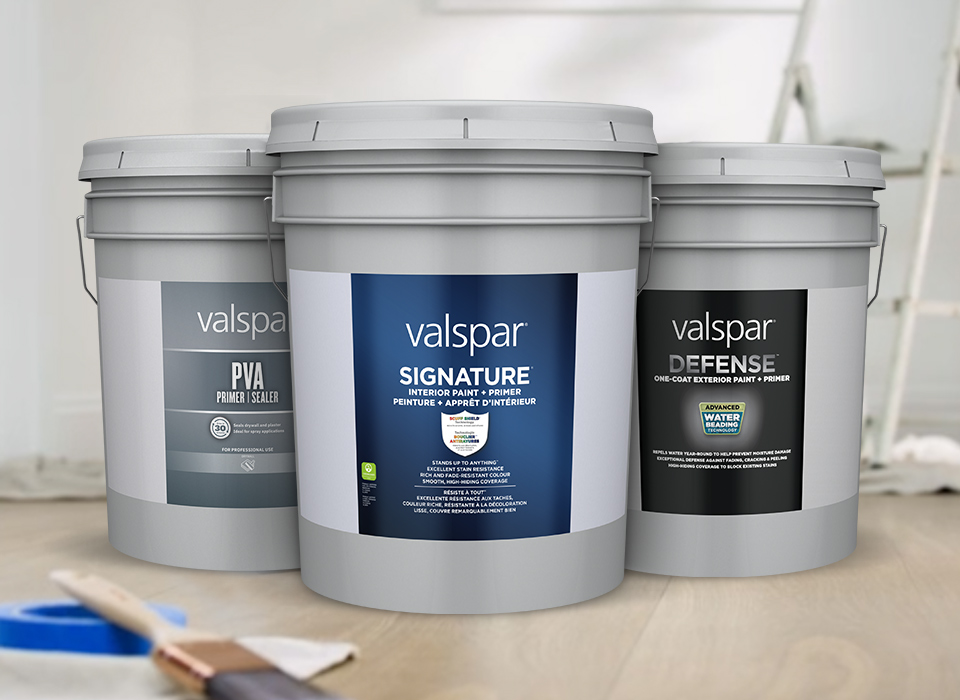
Valspar Duramax is another popular choice known for its all-weather protection. It includes flexible technology that helps prevent cracking and peeling during temperature shifts. Its mildew-resistant finish ensures a clean and attractive look, even in humid regions.
Practical Use Cases of Residential Exterior Painting
Residential exterior painting is not just about beauty. It serves practical purposes that directly impact homeowners’ lifestyles and property maintenance.
Preserving Wooden Surfaces
Wooden sidings, decks, and fences are prone to rot, warping, and insect infestation. Exterior paint protects these surfaces by sealing out moisture and pests. This preservation ensures longevity and reduces the need for costly repairs.
Updating Older Homes
For older properties, exterior painting is a powerful way to modernize the look without extensive renovations. By choosing contemporary colors and finishes, homeowners can breathe new life into dated facades while maintaining structural integrity.
Energy Efficiency and Comfort
Some modern exterior paints feature reflective technology that reduces heat absorption. By reflecting sunlight, these paints help keep homes cooler during summer, reducing energy consumption from air conditioning systems.
Challenges in Residential Exterior Painting
While beneficial, exterior painting also comes with challenges that must be addressed.
Weather Dependency
Painting projects are highly dependent on weather conditions. Rain, humidity, or extreme temperatures can delay the process or compromise paint adhesion. Planning during mild weather seasons is essential for optimal results.
Maintenance Requirements
Even the best exterior paints require periodic maintenance. Over time, touch-ups and reapplication are necessary to maintain protection and appearance. Homeowners must monitor surfaces for peeling, cracking, or discoloration.
Tips for a Successful Residential Exterior Painting Project
- Choose high-quality paints designed for exterior use.
- Prepare surfaces thoroughly with cleaning, repairs, and priming.
- Select weather-appropriate times for painting.
- Use proper tools and techniques for the surface type.
- Regularly maintain and inspect painted surfaces.
Frequently Asked Questions
1. How often should a home’s exterior be painted? Most homes require repainting every 5 to 10 years, depending on climate, paint quality, and surface conditions. Wood surfaces typically need more frequent painting than brick or vinyl.
2. What type of paint is best for exterior surfaces? Acrylic latex paints are widely recommended because of their durability, flexibility, and resistance to weather conditions. They also offer easier cleanup compared to oil-based paints.
3. Can exterior painting increase a home’s energy efficiency? Yes, certain exterior paints with reflective properties can reduce heat absorption, helping homes stay cooler in hot climates. This contributes to lower energy bills and enhanced comfort indoors.